
Windshield Repair: How to Handle a Cracked Windshield
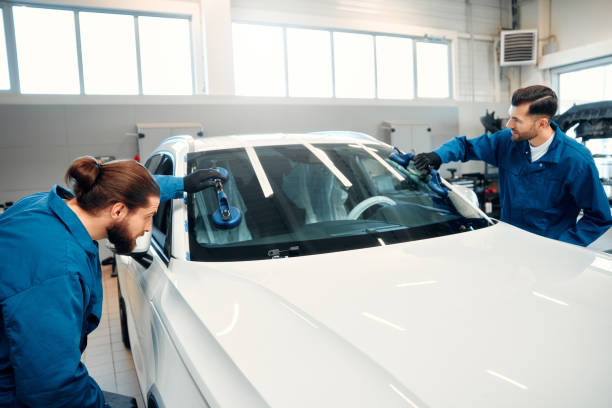
A cracked windshield is more than a cosmetic issue. It affects the structural strength of your vehicle, reduces visibility, and may interfere with safe driving. Whether the damage is a small chip from road debris or a longer crack caused by changing weather conditions, taking prompt action can help prevent additional damage and unnecessary expenses.
If you notice damage to your auto glass, scheduling professional wind shield repair as soon as possible gives technicians the best opportunity to restore the windshield before replacement becomes necessary. Early repairs often preserve the original glass while maintaining the safety standards designed by the vehicle manufacturer.
Understanding how windshield damage occurs, when repair is possible, and when replacement is necessary allows drivers to make informed decisions that protect both their safety and their investment.
Why You Should Never Ignore a Cracked Windshield
Many drivers continue using their vehicles after discovering a small chip because it appears harmless. However, windshield damage rarely remains unchanged. Everyday driving conditions continuously place stress on the glass, allowing even minor chips to spread into larger cracks.
Addressing damage early significantly improves the chances of a successful repair while avoiding the higher cost of complete replacement.
How Cracks Affect Driver Safety and Visibility
The windshield is an important structural component of every modern vehicle. It helps support the roof during collisions and contributes to proper airbag deployment. When cracks weaken the glass, the windshield may not perform as intended during an accident.
Cracks also interfere with visibility by creating glare from sunlight, headlights, and street lighting. As damage spreads across the driver’s field of vision, safely identifying road hazards becomes increasingly difficult. Rain, dirt, and moisture can collect inside damaged areas, making visibility even worse over time.
The Risks of Delaying Windshield Repair
Delaying repairs exposes the windshield to constant vibration, road impacts, and temperature fluctuations. These conditions allow existing damage to expand much faster than many drivers expect.
A repairable chip can eventually become a crack that extends across the windshield, eliminating the possibility of repair altogether. Larger cracks increase replacement costs while also reducing overall driving safety.
Prompt professional inspection remains the safest approach whenever windshield damage appears.
What Causes Windshield Cracks and Chips?
Windshield damage develops for many different reasons, many of which occur during completely normal driving conditions. Understanding these causes helps drivers reduce future risks while recognizing damage before it becomes severe.
Common Reasons for Windshield Damage
Small rocks thrown by other vehicles remain one of the most common causes of windshield chips. Gravel roads, highway construction zones, and loose pavement increase the likelihood of flying debris striking the glass at high speed.
Minor collisions, falling tree branches, hailstorms, and accidental impacts while loading cargo can also damage windshields. Even windshield wipers that contain trapped dirt or debris may gradually scratch the surface over time.
Although some impacts appear insignificant initially, hidden structural damage inside the laminated glass can continue spreading long after the original impact.
Environmental and Driving Conditions That Increase Risk
Rapid temperature changes place additional stress on automotive glass. Moving from freezing outdoor temperatures into a heated garage or directing hot defroster air onto an icy windshield can accelerate crack growth.
Poor road conditions, potholes, railroad crossings, and rough pavement also create vibrations that increase stress on already damaged glass. Frequent highway driving exposes vehicles to more airborne debris, increasing the possibility of future chips and cracks.
Understanding these risk factors encourages drivers to inspect their windshields regularly and schedule repairs before damage becomes more serious.
How to Identify a Repairable Windshield
Not every damaged windshield requires replacement. Many chips and small cracks can be successfully repaired when addressed early by trained technicians. The decision depends on several factors including size, location, depth, and the overall condition of the glass.
Professional inspections remain essential because some damage that appears minor on the surface may extend deeper into the laminated glass structure.
Types of Repairable Windshield Chips
Several common chip patterns can usually be repaired if treated quickly. These include bullseye chips, small star breaks, combination chips, and minor surface cracks that have not spread extensively.
Successful repairs depend on preventing moisture, dirt, and debris from contaminating the damaged area before professional treatment begins. Clean damage allows repair resin to bond more effectively with the surrounding glass.
Factors That Determine Whether a Crack Can Be Repaired
Technicians evaluate several important considerations before recommending repair. The overall length of the crack, its proximity to the windshield edge, whether multiple cracks intersect, and whether the damage obstructs the driver’s line of sight all influence the final recommendation.
Modern vehicles equipped with advanced driver assistance systems may require additional evaluation because windshield mounted cameras and sensors rely on precise positioning for proper operation.
A detailed inspection ensures the safest solution is selected for every vehicle.
When Windshield Replacement Is the Better Option
Although many chips and minor cracks can be repaired successfully, some types of damage make windshield replacement the only safe solution. Professional technicians follow industry guidelines to determine whether repairing the glass will restore sufficient strength or whether installing a new windshield is necessary.
Replacing a severely damaged windshield helps restore the structural integrity of the vehicle while ensuring clear visibility and proper performance of vehicle safety systems.
Damage That Cannot Be Safely Repaired
Certain forms of windshield damage exceed the limits of safe repair. Long cracks that extend across a significant portion of the windshield usually cannot be repaired effectively. Damage reaching the outer edges of the glass often weakens the overall structure because the edges support much of the windshield’s strength.
Multiple impact points, deep cracks that penetrate several layers of laminated glass, and chips located directly within the driver’s primary viewing area frequently require replacement. These conditions may continue affecting visibility even after repair, making replacement the safer choice.
Windshields that have already undergone multiple repairs may also require replacement if new damage compromises previously repaired sections.
How Professional Technicians Evaluate Windshield Damage
Professional technicians perform a detailed inspection before recommending any service. They examine the location, depth, size, and direction of the damage while checking for contamination, moisture, and stress patterns within the glass.
Modern vehicles often include cameras mounted behind the windshield that support advanced safety features. If replacement becomes necessary, these systems may require recalibration after installation to ensure proper operation.
A professional evaluation allows drivers to receive the safest recommendation based on the actual condition of the windshield rather than making assumptions based only on the visible crack.
What to Expect During the Windshield Repair Process
Understanding the repair process helps drivers know what to expect when scheduling professional service. Windshield repair is designed to restore structural strength, reduce the visibility of damage, and prevent existing cracks from spreading further.
The procedure is efficient and usually completed during a single appointment.
Inspection, Resin Injection, and Damage Restoration
The repair begins with a careful inspection to verify that the damage qualifies for repair. Technicians clean the damaged area thoroughly to remove dust, moisture, and contaminants that could interfere with the repair.
A specialized repair tool creates controlled pressure that allows clear resin to penetrate deep into the damaged glass. Once the resin fills the damaged area completely, ultraviolet light cures the material until it hardens.
The repaired surface is then polished to improve clarity while restoring much of the windshield’s original strength.
Drivers seeking reliable service often trust Auto Glass 360 because experienced technicians follow professional repair procedures while using quality materials that support durable, long lasting results.
How Long Windshield Repairs Typically Take
Most windshield repairs require between thirty minutes and one hour depending on the size and location of the damage. After curing is complete, the vehicle is generally ready to drive shortly afterward.
Repairing damage early usually results in faster service because smaller chips require less restoration than larger cracks that have continued spreading.
What Happens If You Delay Windshield Repair?
Waiting too long to repair windshield damage often transforms a simple repair into a much larger expense. Even if a crack appears stable initially, normal driving conditions continue placing stress on the glass every day.
Early action remains the most effective way to preserve the original windshield whenever possible.
Crack Expansion and Increased Repair Costs
Temperature changes, road vibrations, and additional impacts gradually increase the size of existing cracks. Once a crack exceeds repair guidelines, replacement becomes necessary instead of repair.
Delaying service also allows dirt and moisture to enter the damaged area. Contaminated cracks become more difficult to repair because foreign material prevents repair resin from bonding properly with the glass.
Repairing minor damage promptly usually costs significantly less than replacing the entire windshield.
Safety, Legal, and Structural Integrity Concerns
Driving with significant windshield damage creates several safety concerns. Large cracks reduce visibility, particularly during nighttime driving or adverse weather conditions. They may also weaken the windshield’s ability to support the vehicle during a collision.
In some jurisdictions, extensive windshield damage may violate vehicle safety regulations if it obstructs the driver’s view. Keeping the windshield in good condition helps maintain both legal compliance and safe vehicle operation.
If technicians determine that repair is no longer possible, drivers searching for windshield replacement near me should choose experienced professionals who follow manufacturer approved installation procedures and use high quality replacement materials.
How to Prevent Windshield Damage From Getting Worse
Although not every windshield chip can be prevented, drivers can take several practical steps to reduce the likelihood of additional damage while waiting for professional repairs. Good maintenance habits also help extend the life of the windshield and improve overall driving safety.
Acting quickly after discovering a chip or crack remains the most effective way to avoid more extensive damage.
Temporary Steps Before Professional Repair
If you notice a fresh chip, avoid pressing on the damaged area or attempting to repair it with household products. Temporary windshield repair kits may not provide long term results and can sometimes interfere with professional repairs if used incorrectly.
Keep the damaged area as clean and dry as possible. Dirt, moisture, and road debris entering the crack can reduce the effectiveness of repair resin. If practical, park your vehicle in a covered location to protect the windshield from direct sunlight, rain, or sudden temperature changes until it can be inspected.
Driving carefully also helps minimize vibration that may cause the crack to spread. Avoid potholes, rough roads, and slamming vehicle doors, as these actions place additional stress on already weakened glass.
Maintenance Tips to Protect Your Windshield
Regular vehicle maintenance contributes to windshield longevity. Replace worn windshield wiper blades before they begin scratching the glass surface, and always use quality windshield washer fluid to remove dirt safely.
Maintain a safe following distance behind construction vehicles, gravel trucks, and other vehicles that may throw loose stones onto the roadway. This simple driving habit significantly reduces the chance of impact damage.
Whenever possible, avoid exposing your windshield to sudden temperature extremes. Gradually warming or cooling the cabin places less stress on the glass and reduces the likelihood of existing chips expanding into larger cracks.
Routine inspections also help identify small chips before they become serious structural problems.
Choosing a Professional Windshield Repair Service
Selecting the right repair provider is one of the most important decisions after windshield damage occurs. Professional workmanship, quality materials, and proper repair procedures directly influence the durability and safety of the finished repair.
Drivers should evaluate service providers carefully rather than choosing solely based on price.
What to Look for in an Auto Glass Repair Company
A reputable auto glass company should employ trained technicians who understand current repair standards and modern vehicle technologies. Experience with various vehicle makes and models is also valuable because windshield designs continue evolving with integrated sensors and advanced driver assistance systems.
Customers should also consider warranty coverage, response time, transparent pricing, and the quality of materials used during repairs. Companies that clearly explain the inspection process and repair recommendations help customers make informed decisions.
Reading customer reviews and confirming that the company follows recognized industry practices provides additional confidence when selecting a repair provider.
Why Quality Materials and Experienced Technicians Matter
Even the best repair equipment cannot compensate for poor workmanship. High quality repair resin restores structural integrity more effectively while reducing the visibility of damage after the repair is complete.
Experienced technicians understand how different crack patterns respond during the repair process and know when replacement is the safer recommendation. Their expertise helps ensure every repair meets appropriate safety standards while preserving the original windshield whenever possible.
Professional repairs also reduce the likelihood of future crack expansion, helping drivers avoid unnecessary replacement costs.
Why Drivers Trust Auto Glass 360
Choosing an experienced repair provider gives drivers confidence that their vehicle will receive safe, reliable service from trained professionals. A customer focused approach combined with modern repair techniques helps ensure every windshield receives the appropriate solution based on its condition.
Fast, Reliable, and Professional Windshield Repair Services
Auto Glass 360 provides comprehensive windshield inspection, repair, and replacement services using professional equipment and quality materials. Their technicians carefully evaluate every damaged windshield to determine whether repair is possible or if replacement is the safer option.
Prompt scheduling and efficient repairs help drivers return to the road quickly while maintaining the safety and performance of their vehicles.
Expert Solutions for Repairable Windshield Damage
Whether dealing with a small chip or a developing crack, professional assessment remains essential. Skilled technicians focus on restoring structural integrity whenever repair is appropriate while ensuring that replacement recommendations are based on safety rather than convenience.
By combining technical expertise with quality workmanship, Auto Glass 360 helps drivers protect both their vehicles and their long term investment.
Conclusion
A cracked windshield should never be ignored because even minor damage can quickly develop into a larger safety concern. Early inspection and professional repair often prevent crack expansion, preserve the original windshield, and reduce overall repair costs. Understanding the difference between repairable damage and situations requiring replacement allows drivers to make informed decisions that prioritize safety, visibility, and long term vehicle performance.
Whether the damage results from road debris, changing weather conditions, or everyday driving, choosing an experienced repair provider ensures the work is completed according to professional standards. Timely repairs also help maintain the structural strength of the vehicle and improve overall driving confidence.
If your windshield has been chipped or cracked, Contact today to schedule a professional inspection and receive reliable auto glass solutions from experienced technicians.
FAQs
1. Can every windshield crack be repaired?
No. Small chips and short cracks can often be repaired, but larger cracks, edge damage, or damage affecting the driver’s line of sight usually require windshield replacement.
2. How long does windshield repair usually take?
Most professional windshield repairs take between 30 and 60 minutes, depending on the size and location of the damage.
3. Will the crack disappear completely after repair?
The repair restores structural strength and prevents further spreading, but a faint mark may remain depending on the severity and type of damage.
4. Is it safe to drive immediately after windshield repair?
In most cases, yes. Once the repair resin has fully cured, the vehicle is generally ready for normal driving shortly afterward.
5. How can I prevent a windshield crack from spreading?
Schedule repairs as soon as possible, avoid sudden temperature changes, drive carefully on rough roads, and keep dirt and moisture away from the damaged area until it is professionally repaired.
