
The Importance of ADAS Recalibration After Glass Replacement
Advanced Driver Assistance Systems (ADAS) quietly work in the background every time you drive. From lane keeping support to automatic emergency braking, these features rely on precise sensors and cameras, many of which look through or mount directly to your windshield. When that glass is changed, even a tiny shift in angle or height can confuse the system. That is exactly why ADAS calibration after replacement is not a luxury or an optional extra. It is a safety step that keeps your technology working the way the manufacturer intended.
Auto Glass 360 sees this every day. A customer replaces a damaged windshield, the vehicle looks perfect, but warning lights appear or lane assist suddenly feels different. Once we perform proper ADAS calibration after replacement and verify the results, the driver immediately notices smoother steering support, consistent alerts, and renewed confidence. In this guide, you will learn what ADAS is watching, how glass replacement affects it, why calibration matters so much, what the process looks like, and how to prepare for your own appointment.
How ADAS Works With Your Windshield
Modern vehicles treat the windshield as more than a piece of glass. It is a window and a mounting point for cameras, radar units, rain sensors, and light sensors. Systems like lane departure warning, lane keeping assist, forward collision warning, traffic sign recognition, and automatic high beams all depend on an accurate view of the road. ADAS calibration after replacement realigns the camera that provides that view so the software can interpret lane lines, vehicles, and pedestrians correctly.
From the outside, the camera behind your rearview mirror looks small. Inside the vehicle control network, it is a major source of safety data. That camera calculates distance, relative speed, and lane position many times per second. If the glass in front of it moves slightly when replaced, or if the new bracket is not positioned perfectly, the math inside the ADAS module is no longer tied to reality. ADAS calibration after replacement corrects this by teaching the system exactly where the new glass and camera sit in relation to the road.
How Glass Replacement Changes Sensor Alignment
Even with high quality parts and careful installation, a new windshield will never occupy the exact same microscopic position as the original. The mounting bracket can shift by fractions of a millimetre. The thickness and curvature of the glass can change the way light bends into the camera lens. Without ADAS calibration after replacement, the system keeps using its old assumptions, which can translate into late warnings, unexpected steering correction, or missed objects at the edge of your lane. Proper calibration resets those assumptions and restores predictable behaviour.
Why ADAS Calibration After Replacement Is Non Negotiable
When a manufacturer designs a safety system, it assumes that sensors and cameras are installed at very specific angles and heights. Those assumptions become part of the software and test procedures. After any event that changes those angles, such as windshield replacement, the manufacturer expects ADAS calibration after replacement to return the vehicle to tested conditions. Skipping that step leaves you with a system that may appear to work on a sunny day but fail in the critical moment.
There is also the question of legal and regulatory expectations. Safe, roadworthy vehicles must provide clear visibility and intact safety systems. For educational context, drivers can review Ontario guidance at the Government of Ontario vehicle safety page and national expectations in Transport Canada vehicle safety standards. These resources help explain why a complete service on modern vehicles usually includes ADAS calibration after replacement when cameras are involved, especially when insurers and inspection programs evaluate repair quality.
Hidden Risks Of Skipping ADAS Calibration After Replacement
From the driver seat, it is easy to think everything is fine after glass work if no warning lights appear. However, some systems have wide tolerances before they trigger a fault code. That means a lane keeping feature can be slightly misaligned and still operate without obvious errors, until a tight curve, heavy rain, or emergency braking exposes the mismatch. ADAS calibration after replacement reduces this risk by ensuring the camera view and software model match. It is not only about satisfying a specification. It is about making sure electronic safety features help rather than surprise you.
What Actually Happens During Calibration
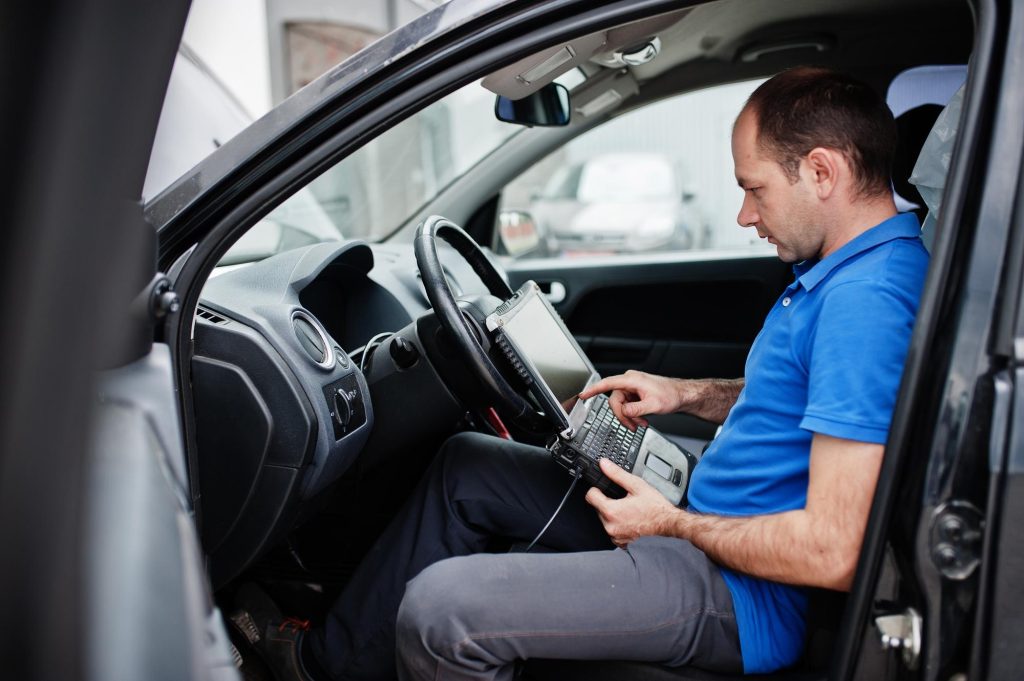
On a modern vehicle, ADAS calibration after replacement is a structured procedure, not a quick button press. The process begins with an inspection of the new glass, the camera mount, and any related sensors. The technician then uses a diagnostic tool to talk to the vehicle, clear appropriate codes, and prepare the ADAS module for learning. Depending on the model, the next step will be static calibration, dynamic calibration, or a combination of both.
During static calibration, the vehicle sits in a level space while calibrated targets are placed at exact distances and heights in front of it. The diagnostic tool instructs the camera to look at these known patterns and adjust its internal map until everything lines up. During dynamic calibration, the technician drives the vehicle on well marked roads at defined speeds while the camera learns lane geometry in real situations. In either case, ADAS calibration after replacement ends only when the system reports a successful result and a post scan shows no related faults.
Static, Dynamic, And Dual ADAS Calibration After Replacement
Some manufacturers specify static calibration because it gives full control over lighting, distances, and target patterns. Others prefer dynamic routines because they reflect real road use. Many newer vehicles require both, beginning with a static session in the bay followed by a dynamic drive to fine tune the result. For the driver, this simply means that ADAS calibration after replacement may involve both a shop visit and a short road test. For the technician, it means carefully following the service manual so the final calibration matches original factory conditions.
Practical Details: Time, Cost, And Insurance
Drivers often ask how long ADAS calibration after replacement will take and what it will cost. For many popular models, expect the full process of glass removal, installation, safe drive time, and calibration to take a few hours. The calibration portion itself can range from twenty minutes to over an hour depending on whether static, dynamic, or both are required. Environment also matters. Static calibration needs a clear, level space, while dynamic routines need suitable roads and weather conditions.
On the cost side, think of ADAS calibration after replacement as part of the complete installation, rather than a separate luxury. The glass, adhesives, labour, and calibration together make up a proper repair. Many comprehensive insurance policies now recognise this reality and cover calibration when the vehicle features and manufacturer procedures call for it. Detailed invoices, pre and post scan reports, and calibration records give insurers confidence that the work followed safety guidelines and that the claim is justified.
Common Myths About ADAS Calibration After Replacement
Here is a quick list that clears up frequent misunderstandings many drivers have:
- “If there is no warning light, I do not need calibration after new glass.”
- “Any shop can handle this, it is just a quick reset.”
- “Aftermarket glass always breaks ADAS features.”
- “Dynamic calibration on the road is enough for every car.”
- “Calibration is just a money add on, not a safety requirement.”
In reality, manufacturers specify ADAS calibration after replacement for a reason, technicians need training and specialised tools, quality aftermarket glass can be compatible when it matches the correct specifications, and skipping or guessing on calibration can leave systems working unpredictably.
Why Choose Auto Glass 360
When your windshield or other glass needs to be replaced on an ADAS equipped vehicle, you want a partner that understands both the physical installation and the digital safety systems that depend on it. Auto Glass 360 treats ADAS calibration after replacement as an integral part of the job whenever cameras and sensors are involved. That means your vehicle leaves the bay not only looking correct, but also behaving correctly on the road.
The process begins with an honest inspection. If a repair is safe and your vehicle does not require glass removal, we will recommend that option and preserve your original factory calibration. If damage or visibility makes replacement necessary, we select glass that matches the sensor and camera requirements for your vehicle, use manufacturer grade adhesives with correct cure times, and plan the exact form of ADAS calibration after replacement your model calls for. You receive documentation at each step so you know what was done and why.
What To Expect At An Auto Glass 360 Appointment
On the day of your appointment, a technician will review the damage, verify your vehicle’s ADAS features, and explain whether static, dynamic, or dual ADAS calibration after replacement is needed. After safe removal of the old glass and precise installation of the new, the vehicle will sit until the adhesive reaches safe handling strength. Calibration then begins, using calibrated targets in a controlled bay, a structured road drive, or both. Before you leave, a post scan confirms that the ADAS module reports a successful calibration and no new faults. You go home with clear glass, aligned technology, and a service record that protects you for insurance and future inspections.
How To Prepare For ADAS Calibration After Replacement
You can help the process go smoothly with a few simple steps before your visit. Make sure there is fuel in the vehicle for any dynamic driving that may be required. Remove any large dash mounted items near the camera area, such as bulky phone holders that can block test targets or interfere with the view. If you have recently changed tire sizes or had suspension work done, mention this to the technician, since ride height can influence ADAS calibration after replacement on certain models.
On the day itself, plan your schedule around the full visit rather than just the glass installation. Allow enough time for safe adhesive curing and calibration so there is no temptation to rush. When the work is complete, review the documentation packet. You should see details about the glass installed, the adhesive used, the calibration method, and the post scan report. These records prove that ADAS calibration after replacement was completed correctly and can be valuable at lease turn in or if you sell the vehicle.
A Simple Driver Checklist
Before you book, and again on the morning of your appointment, run through this quick checklist:
- Confirm your vehicle has camera based driver assistance features
- Note any dashboard warnings related to ADAS
- Gather insurance information in case a claim is involved
- Take photos of the damage for your records
- Remove items from the dashboard and mirror area
- Make sure you have time for both replacement and ADAS calibration after replacement
- Ask for copies of calibration and scan reports at the end
With these steps in place, the process is smoother for you and for your technician.
Canadian Safety Context And Learning Resources
Drivers who like to understand the safety framework behind ADAS calibration after replacement can turn to official Canadian resources. The Government of Ontario provides information on vehicle safety and inspection expectations at its vehicle safety page, helping owners understand how glass condition and safety systems affect roadworthiness. At the federal level, Transport Canada publishes vehicle safety standards that cover many aspects of modern vehicle design, including glazing and safety technologies. Reading these sources gives context for the way insurers and inspectors look at glass replacement and calibration in Canada.
These materials do not replace a professional service manual, but they do explain why regulators expect vehicles to maintain clear visibility and functioning safety systems over their lifetime. When you pair that knowledge with a complete service that includes ADAS calibration after replacement, you align your own maintenance decisions with broader safety goals.
By understanding how closely your safety systems depend on the glass they see through, you can treat ADAS calibration after replacement as an essential step, not an optional add on. When your windshield needs work, contact Auto Glass 360, schedule a complete service, and leave knowing your view and your technology are working together the way they should.
Frequently Asked Questions
1) Do all vehicles need ADAS calibration after replacement when glass is changed?
Only vehicles with ADAS sensors or cameras that look through or mount to the replaced glass require ADAS calibration after replacement. If your car has lane keeping, automatic emergency braking, or traffic sign recognition, there is a good chance a camera is involved and calibration will be specified by the manufacturer.
2) How long does ADAS calibration after replacement usually take?
The calibration routine itself can take from twenty minutes to over an hour, depending on whether static, dynamic, or both procedures are needed. When you include glass installation and adhesive curing, plan several hours so ADAS calibration after replacement is completed properly without rushing.
3) Is it safe to drive if I skip ADAS calibration after replacement?
Driving without required ADAS calibration after replacement means your safety systems may not behave as designed. Warnings could arrive late, automatic braking distances may be off, and lane support might react unpredictably. For safety, calibration should always be completed when specified after glass work.
4) Will my insurance cover ADAS calibration after replacement?
Many comprehensive policies recognise that ADAS calibration after replacement is part of a correct windshield service for camera equipped vehicles. Coverage varies, so you should confirm with your provider, but clear documentation and calibration reports generally help claims move forward.
5) Can any shop perform ADAS calibration after replacement, or do I need a specialist?
Calibration requires manufacturer capable diagnostic tools, accurate targets, and trained technicians. A specialist that routinely performs ADAS calibration after replacement is more likely to follow the correct procedure and provide the documentation insurers and inspectors expect.
6) Do I need ADAS calibration after replacement if I use OEM glass?
Even with original equipment glass, installation can slightly change camera angle and position. That is why manufacturers usually still require ADAS calibration after replacement when cameras or sensors are involved, regardless of whether the glass is OEM or high quality aftermarket.
7) How will I know ADAS calibration after replacement was successful?
You should receive a calibration report and a clean post scan showing no related fault codes. On the road, driver assistance features should feel consistent and predictable. Combining these checks confirms that ADAS calibration after replacement brought your system back to its intended operating window.
