
Why ADAS Calibration Is Essential After Replacing Your Windshield?
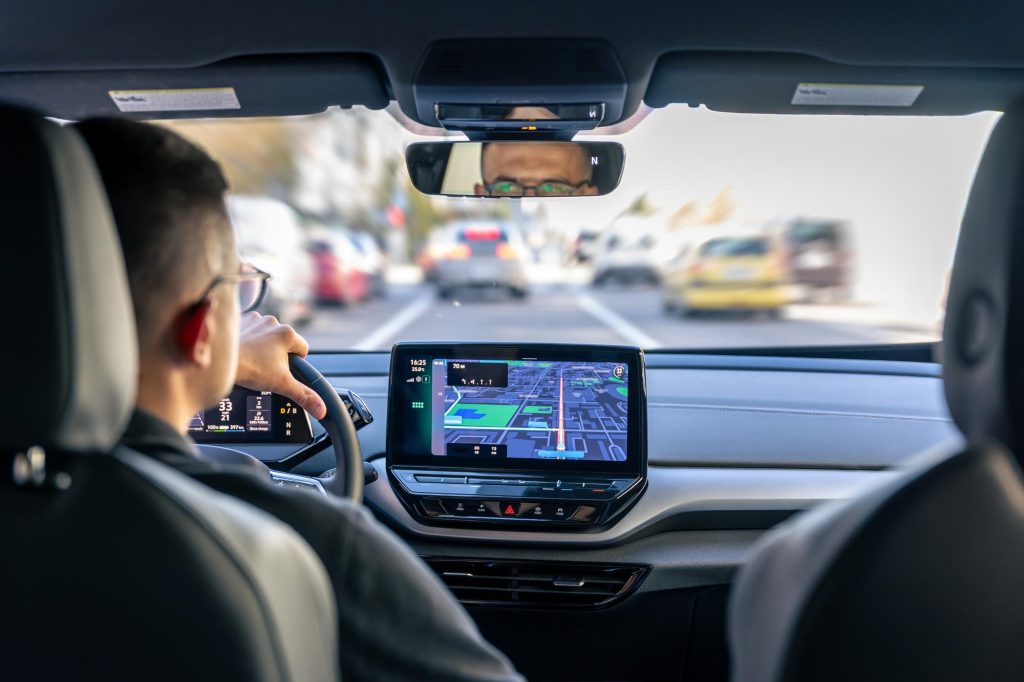
A windshield replacement used to be a straightforward job. Remove the old glass, install the new one, let the adhesive cure, and you are done. Today, many vehicles rely on a forward-facing camera and other sensors mounted behind the windshield to power Advanced Driver Assistance Systems (ADAS). That camera does more than record the road. It helps your vehicle recognize lane lines, estimate distance, detect vehicles and pedestrians, and trigger alerts or automatic responses. This is why ADAS calibration windshield service has become a critical part of modern auto glass replacement.
If the windshield is replaced without calibrating the ADAS camera properly, the system may not “see” the road accurately. Even a tiny shift in camera position, glass thickness, or mounting angle can change how the camera interprets distance and lane geometry. That can lead to late warnings, inconsistent lane-keeping behavior, or incorrect alerts. Auto Glass 360 treats ADAS calibration windshield work as a safety requirement whenever the vehicle design calls for it, so your driver-assistance features keep working as the manufacturer intended.
What ADAS Does And Why The Windshield Matters
ADAS features are designed to reduce collisions and improve driver awareness. Systems like lane departure warning, lane keeping assist, forward collision warning, adaptive cruise control support, and automatic emergency braking often rely on a windshield-mounted camera. The windshield is not just a protective barrier. It is part of the optical pathway that the camera uses to read the road. That is why ADAS calibration windshield procedures exist in the first place.
When the original windshield is removed, the camera may be detached and reinstalled, or it may sit on a bracket bonded to the glass. Any change in bracket position, camera angle, or the way the new glass refracts light can shift the camera’s reference point. Without ADAS calibration windshield correction, the system continues operating with old assumptions about where it is aimed. That mismatch can reduce accuracy, especially in bad weather, at night, or on roads with faded markings.
The Camera Behind The Mirror Is A Safety Sensor
Many drivers think the camera behind the rearview mirror is simply a sensor for rain or lights. On many models, it is the primary “eye” for key safety functions. It tracks lane edges, detects closing speed, and helps the vehicle decide when to warn you or intervene. ADAS calibration windshield service ensures that “eye” is aligned with the real world after a new windshield changes its viewing conditions.
Windshield Features Can Affect Sensor Performance
Modern windshields may include acoustic layers, tinted bands, heating elements, or special coatings. The correct glass matters because the camera expects specific optical properties. Even when the glass is compatible, replacement can still shift the camera slightly. ADAS calibration windshield work is the step that confirms the camera’s view matches what the vehicle software expects.
What Happens If You Skip ADAS Calibration After Replacement
Skipping calibration can cause issues that range from subtle to serious. Sometimes the system throws a warning light right away. Other times, the features appear normal until you hit a curve, heavy rain, or bright glare, then performance becomes inconsistent. This is why ADAS calibration windshield service is essential rather than optional.
The risk is not just an annoying alert on your dashboard. The bigger problem is unpredictability. A lane-keeping system might correct too aggressively, or not enough. A forward collision alert might trigger late, or at the wrong time. A system that is slightly off can still “work,” but not with the precision it was designed to deliver. Proper ADAS calibration windshield procedures restore the correct alignment so these features behave consistently.
Real World Driving Demands Accuracy
In the GTA and across Ontario, drivers deal with construction zones, lane shifts, worn pavement markings, and sudden stops in traffic. ADAS features are most valuable in these conditions, but only if the camera is calibrated correctly. ADAS calibration windshield service reduces the chance of false alerts and improves the reliability of the safety features you depend on.
Safety And Inspection Expectations
Safe visibility and properly functioning vehicle equipment matters in Ontario. For educational reading, you can review the Government of Ontario vehicle safety information and Safety Standards Certificate details, plus Transport Canada vehicle safety standards. These resources help explain why maintaining vehicle safety systems matters after repairs and replacements.
How ADAS Calibration Windshield Procedures Work
ADAS calibration is a guided process that resets the camera’s understanding of its position relative to the road. Depending on the vehicle, the calibration may be static, dynamic, or both. The right method is determined by manufacturer requirements. Auto Glass 360 follows those requirements so the ADAS calibration windshield outcome matches the intended specifications.
Calibration begins with a scan of the vehicle to check for ADAS-related fault codes and to confirm which systems require calibration. The technician then verifies correct windshield installation and camera mount integrity. From there, the system is calibrated using a controlled target setup in a bay (static) or a defined road drive procedure (dynamic). The final step includes confirmation that the calibration completed successfully and that the system reports no remaining issues. This full workflow is what makes ADAS calibration windshield service trustworthy.
Static Calibration
Static calibration uses special targets placed at exact distances and heights in front of the vehicle. The vehicle must be positioned on a level surface, and lighting conditions must meet requirements. The camera “learns” the target’s position and aligns its internal reference. ADAS calibration windshield procedures often use static calibration when manufacturers require controlled conditions for maximum accuracy.
Dynamic Calibration
Dynamic calibration requires driving the vehicle on clearly marked roads at specific speeds for a defined period. The system learns lane geometry and adjusts alignment through real-world data. In many cases, ADAS calibration windshield procedures include dynamic calibration after a static setup or as the primary method when specified by the manufacturer.
Dual Calibration
Some vehicles require both static and dynamic calibration after replacement. This may happen when the camera system is complex or when the vehicle includes multiple driver-assistance features that rely on the same camera. In these cases, ADAS calibration windshield work is a two-step process that ends only after both phases report success.
Factors That Increase The Need For Calibration Accuracy
Not every windshield replacement is equal. Certain situations make calibration even more important. If the vehicle has a large camera module, multiple sensors, or features like traffic sign recognition and lane centering, the system tends to be more sensitive to small alignment changes. ADAS calibration windshield service becomes especially critical on vehicles with tightly tuned lane support.
Road conditions also matter. If you regularly drive at highway speeds, in heavy traffic, or during winter glare, small errors become more noticeable. That is why drivers who commute often benefit the most from proper ADAS calibration windshield procedures. You are putting the system into challenging situations daily, and you want it working at its best.
Suspension, Tires, And Ride Height
If your vehicle has recently had suspension work, tire size changes, or alignment adjustments, it can affect camera geometry. Some manufacturers require calibration after these changes as well. When you combine those factors with a windshield replacement, ADAS calibration windshield service becomes even more important to restore accurate aiming.
Weather And Lighting Effects
Ontario winters bring low sun angles, salt spray, and frequent fogging. These conditions challenge camera systems. If calibration is off by even a small amount, performance can degrade faster under glare or poor visibility. Completing ADAS calibration windshield procedures after replacement gives the system the best chance to perform consistently in tough conditions.
Quick Signs You Need ADAS Calibration After Windshield Replacement
- Your dashboard shows a lane assist or collision warning light after replacement
- Lane keeping feels inconsistent or pulls more than before
- Forward collision alerts trigger too early or too late
- Adaptive cruise support behaves differently than usual
- You notice “camera blocked” messages more often
- Your windshield was replaced and the camera mount was removed and reinstalled
- The new windshield includes special coatings or features near the camera area
- You had tire or suspension changes around the same time as replacement
- The vehicle manual recommends calibration after windshield replacement
- Your insurer asks for documentation that calibration was completed
If one or more of these apply, ADAS calibration windshield service is the safest next step.
Why Choose Auto Glass 360
Auto Glass 360 approaches windshield replacement as a safety system restoration, not just a glass swap. When a vehicle requires ADAS calibration windshield procedures, we follow manufacturer specifications, use proper equipment, and confirm results with post-service checks. The goal is simple: restore your windshield, restore your camera alignment, and restore your confidence in the features that help protect you on the road.
Our process starts with clear communication. We identify whether your model needs calibration, explain the difference between static and dynamic methods, and outline what documentation you will receive. We also focus on quality installation, because calibration cannot compensate for poor mounting. Auto Glass 360 ensures the glass is correctly positioned, the camera bracket is properly bonded, and the system is calibrated to match real road geometry. That complete approach is what makes ADAS calibration windshield service reliable.
Documentation That Protects You
For insurance claims, lease returns, and resale, documentation matters. After ADAS calibration windshield work, we provide clear records of the service performed and confirmation that calibration completed successfully. This protects you if questions come up later about whether the vehicle’s safety systems were restored properly.
A Safety-First Recommendation Policy
If calibration is required, we recommend it. If your vehicle does not require calibration, we will tell you that too. Our goal is to provide the right service for the right vehicle, based on safety standards and manufacturer procedures, not guesswork.
How To Prepare For Your Calibration Appointment
If your windshield has been replaced and you are scheduling ADAS calibration windshield service, preparation helps the process go smoothly. Make sure your tires are properly inflated and that the vehicle is not carrying unusually heavy cargo that changes ride height. If your dashboard currently shows ADAS warning lights, note them and mention them at check-in. Also, plan time for the full procedure, since calibration may include both in-bay setup and a road drive.
Bring any paperwork you received during the windshield replacement, especially if a different provider performed the glass installation. This helps the technician confirm the glass type and camera mount details. The more accurate the starting information, the more efficient the ADAS calibration windshield process will be.
Aftercare And What To Watch For
After calibration, your ADAS features should behave consistently. If you see new warning lights or messages, contact your provider quickly. In most cases, issues are resolved by verifying camera mounting, scanning for codes, and confirming that the calibration routine completed properly. Keeping your windshield clean around the camera area also helps, since dirt and salt can obstruct the camera view even when calibration is correct.
Calibration Is Part Of Safe Windshield Replacement
For many modern vehicles, windshield replacement is not complete until the camera and related systems are calibrated. ADAS calibration windshield procedures restore the correct aiming and reference points that lane and collision systems rely on. Skipping calibration can lead to unpredictable performance, false alerts, or reduced safety benefits. Completing the service properly helps your vehicle deliver the same level of driver assistance it was designed to provide.
If you have recently replaced your windshield or you are planning a replacement soon, contact Auto Glass 360 to confirm whether your vehicle requires ADAS calibration windshield service. We will guide you through the process, complete the work to manufacturer standards, and provide documentation that supports your safety and peace of mind.
Frequently Asked Questions
1) How do I know if my vehicle needs ADAS calibration windshield service after replacement?
Many vehicles with lane keeping, forward collision warning, or traffic sign recognition require calibration after windshield replacement. If you are unsure, Auto Glass 360 can confirm the requirement and complete ADAS calibration windshield procedures if needed.
2) Is ADAS calibration windshield service required even if there is no warning light?
Yes, often. Some systems do not trigger a warning light unless the misalignment exceeds a threshold. ADAS calibration windshield procedures are about restoring designed accuracy, not just clearing a light.
3) How long does ADAS calibration windshield service take?
Time varies by model and method. Some calibrations take under an hour, while others take longer if static and dynamic steps are required. Auto Glass 360 will explain the expected timing for your ADAS calibration windshield appointment.
4) Can I drive normally before I complete ADAS calibration windshield service?
If your vehicle requires calibration, it is safest to complete it as soon as possible. Your ADAS features may not behave predictably until ADAS calibration windshield procedures are finished.
5) Does insurance cover ADAS calibration windshield service after a windshield replacement?
Many comprehensive claims recognize calibration when manufacturers require it. Coverage depends on the policy, but proper documentation from Auto Glass 360 supports insurance processing for ADAS calibration windshield work.
6) What is the difference between static and dynamic ADAS calibration windshield methods?
Static calibration uses targets in a controlled space. Dynamic calibration uses a guided road drive. Some vehicles require both. Auto Glass 360 follows the correct ADAS calibration windshield method specified for your vehicle.
7) What should I keep after ADAS calibration windshield service is complete?
Keep your invoice and any calibration confirmation documents. These records show that ADAS calibration windshield procedures were completed properly, which can help with insurance, lease returns, and resale.
