
Comprehensive Vs. Collision Vs. Glass Coverage: What Pays For Your Windshield In Ontario?
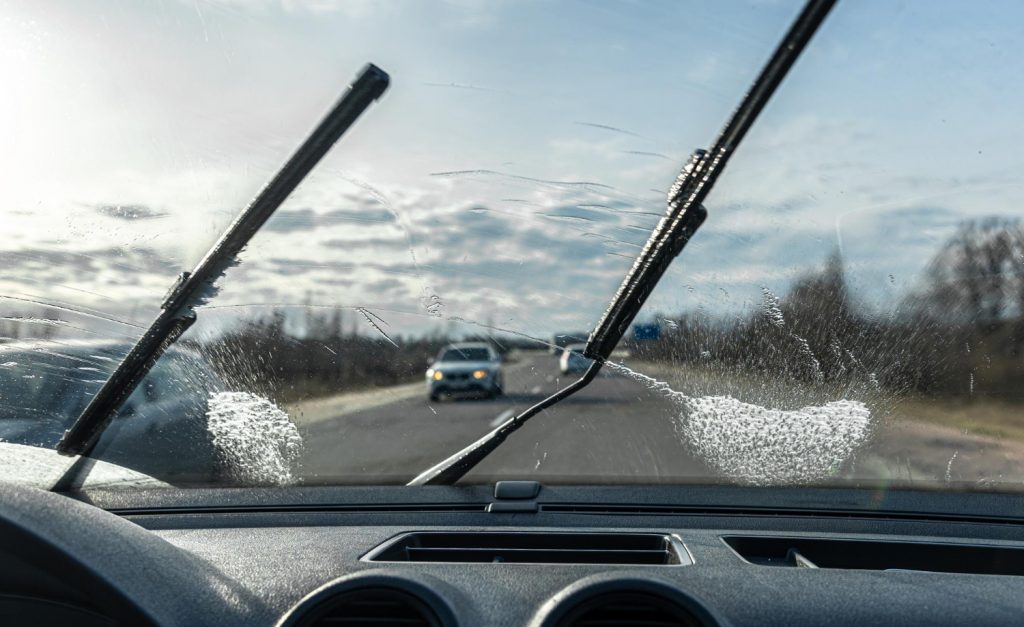
A cracked windshield can create two questions at once: what service does the glass need, and which part of your insurance policy might respond? For GTA drivers, the answer is not always obvious because comprehensive, collision, Direct Compensation Property Damage, endorsements, deductibles, and exclusions can all affect the outcome. Understanding comprehensive coverage windshield Ontario at a general level can help you ask better questions before you authorize repair or replacement, but your insurer or broker must confirm what your individual policy actually covers.
Auto Glass 360 helps drivers with the service side of the process by determining whether a windshield can be repaired, must be replaced, or needs ADAS Recalibration afterward. This guide explains comprehensive coverage windshield Ontario, how collision coverage differs, where glass-related endorsements can matter, and what to verify before making a claim. It is general information rather than insurance advice because coverage depends on your policy wording, the cause of loss, your deductible, and the insurer’s claim decision.
What Comprehensive Coverage Usually Means For Windshield Damage
Comprehensive insurance generally protects against certain types of physical damage that are not caused by a collision with another vehicle or object. The Financial Consumer Agency of Canada lists windshield damage among examples that comprehensive insurance may cover, along with theft and vandalism. For drivers researching comprehensive coverage windshield Ontario, this is often the coverage category to ask about when a stone, flying road debris, vandalism, or another non-collision event damages the windshield. The exact result still depends on the policy, exclusions, deductible, and circumstances.
FSRA also explains that Ontario drivers can purchase optional physical damage coverage such as comprehensive coverage and that separate deductibles may apply to different types of physical damage coverage. Comprehensive coverage windshield Ontario therefore should not be treated as an automatic promise that every glass bill will be paid. Your Certificate of Automobile Insurance and policy wording show whether the coverage applies to the vehicle, while your insurer or broker can explain the deductible, exclusions, and claim process.
Does Collision Coverage Pay For Windshield Damage?
Collision coverage is different because it generally relates to damage caused when your vehicle hits another vehicle or object. If the windshield is damaged as part of a covered collision, the glass may be included within the broader physical damage claim rather than treated as a stand-alone comprehensive loss. This is why the question “does collision cover windshield damage?” cannot be answered only by looking at the crack. The event that caused the damage matters just as much as the condition of the glass.
A stone that flies from the road and chips the windshield may raise a comprehensive coverage windshield Ontario question, while a windshield broken during an insured collision may be handled under collision or another applicable property damage section. Ontario also has Direct Compensation Property Damage for certain qualifying accidents, subject to policy conditions. Drivers should describe exactly what happened and allow the insurer to determine whether collision, DCPD, comprehensive coverage windshield Ontario, or another part of the policy applies.
What People Mean By Glass Coverage In Ontario
Drivers often use the term “glass coverage” as though every Ontario auto policy includes one standard windshield benefit. In practice, windshield insurance coverage depends on the physical damage protection shown on the policy plus any endorsements, exclusions, deductibles, and insurer-specific terms. FSRA explains that Ontario Policy Change Forms and other endorsements can add, change, or reduce coverage for certain situations. A glass coverage endorsement Ontario question should therefore start with the actual policy documents rather than a general label.
Some drivers may have wording that changes how glass losses are treated, while others may rely on comprehensive physical damage coverage for an eligible windshield claim. When reviewing comprehensive coverage windshield Ontario, check the Certificate of Automobile Insurance, endorsements, deductibles, and exclusions. There is not one universal glass endorsement that every driver automatically has. If an endorsement appears on your policy and you do not understand it, ask the insurer or broker what it changes before assuming how a windshield claim will be handled.
Why The Deductible Can Change What You Pay
A deductible is the part of a covered claim that you are generally responsible for paying before the insurer contributes according to the policy. FSRA notes that insurers may offer separate deductibles for collision or upset, comprehensive, all perils, specified perils, and DCPD coverage. This matters because comprehensive coverage windshield Ontario may involve a different deductible from a collision claim. A small chip repair can sometimes cost less than or only slightly more than the deductible, while a full replacement can create a much larger total bill.
That does not mean every small windshield repair should be paid privately or every replacement should become an insurance claim. The Financial Consumer Agency of Canada advises consumers to consider their deductible and policy terms when deciding whether making a claim is worthwhile. For comprehensive coverage windshield Ontario, compare the professional repair or replacement estimate with the deductible and ask the insurer how the claim may affect your policy. Auto Glass 360 can provide the service estimate, but only the insurer or broker can explain the financial consequences of claiming.
Repair Vs. Replacement Can Affect The Claim Amount
The first technical question should be whether the windshield can still be repaired. A small, suitable chip may qualify for Auto Glass Repair, which is generally less involved than replacing the entire windshield. If the damage has spread, reached an edge, become too deep, or significantly affects the driver’s view, Auto Glass Replacement may be necessary. The service decision should be based on the glass condition, not on which option seems easier for comprehensive coverage windshield Ontario.
Replacement can also involve additional vehicle technology. Many newer vehicles use windshield-mounted cameras, and ADAS Recalibration may be required after the glass is changed. If you are using comprehensive coverage windshield Ontario for a covered loss, ask whether the insurer’s approval addresses the replacement glass, labour, related parts, and any required calibration. Do not assume every line on the invoice is automatically covered in the same way. Your insurer must confirm the scope of reimbursement under your policy.
Direct Compensation Property Damage And Windshield Claims
DCPD can become relevant when windshield damage occurs during certain Ontario accidents involving another insured vehicle. FSRA explains that DCPD may cover damage to your vehicle in qualifying circumstances when another driver is at fault, subject to the policy conditions. This is different from a typical comprehensive coverage windshield Ontario claim caused by flying debris or vandalism because DCPD is tied to an accident involving another automobile.
Ontario drivers have also been able to elect not to claim DCPD coverage since January 2024, which can affect how property damage is handled in some cases. That is another reason not to assume that every broken windshield belongs under comprehensive or collision coverage. If the glass was damaged in an accident, tell the insurer exactly what happened. The insurer can determine whether DCPD, collision, comprehensive coverage windshield Ontario, or another section of your policy is the correct route.
Quick Coverage Comparison Checklist
Before making a windshield claim, collect the facts about the damage and the insurance policy. This helps separate the service question from the coverage question. Auto Glass 360 can tell you whether the windshield appears repairable, whether replacement is required, and whether ADAS Recalibration may apply. Your insurer then decides whether comprehensive coverage windshield Ontario or another coverage responds to the loss.
Use this checklist as a conversation guide rather than an insurance recommendation. Coverage, deductibles, endorsements, and insurer procedures can differ, so the final answer should come from your policy documents and insurer.
- Identify exactly what caused the windshield damage
- Confirm whether the loss involved a collision or a non-collision event
- Check whether comprehensive coverage appears on your policy
- Confirm the comprehensive deductible
- Confirm the collision deductible if a crash was involved
- Ask whether DCPD is relevant
- Check for endorsements or exclusions affecting glass
- Ask whether repair or replacement is required
- Confirm whether ADAS Recalibration is needed
- Ask what documents the insurer requires before service
How Endorsements And Exclusions Can Change The Answer
Ontario endorsements can add, change, or reduce coverage. FSRA specifically describes policy endorsements, also called Ontario Policy Change Forms, as changes to the standard policy that can affect particular situations. That matters when considering comprehensive coverage windshield Ontario because the protection shown on one driver’s policy may not be identical to another driver’s coverage. A policy may contain wording that changes a deductible, excludes certain damage, or otherwise alters how a claim is handled.
For this reason, the supporting term glass coverage endorsement Ontario should be treated as a prompt to inspect your own policy, not as the name of one universal product. FSRA advises consumers not to rely only on general endorsement summaries. If your policy lists an endorsement, ask your insurer, agent, or broker what that endorsement does before filing a comprehensive coverage windshield Ontario claim. The policy wording and insurer explanation are more reliable than assumptions based on another driver’s experience.
What To Ask Your Insurer Before Authorizing Work
Before using insurance, ask whether the windshield loss is covered, what deductible applies, whether pre-authorization is required, what documents are needed, and whether you may select your auto glass provider. If replacement is required, ask specifically whether the approved claim addresses ADAS Recalibration when the vehicle requires it. These questions help clarify comprehensive coverage windshield Ontario without turning general educational information into individual insurance advice.
You should also ask whether photographs, an estimate, a claim number, or an insurer inspection is required before work starts. Keep a record of what you are told, along with the claim number if one is opened. Auto Glass 360 can document the damage, provide an estimate, and explain the recommended service. The insurer remains responsible for deciding whether comprehensive coverage windshield Ontario or another coverage applies and what portion of the approved loss it will pay.
Why Choose Auto Glass 360
Auto Glass 360 helps GTA drivers handle the auto glass side of an insurance situation without pretending to interpret individual insurance contracts. If a chip is repairable, Auto Glass Repair may preserve the original windshield. If the damage is too extensive, Auto Glass Replacement can restore the glass. For newer vehicles, ADAS Recalibration can also be addressed when required after replacement. These service details give drivers the information they need before discussing comprehensive coverage windshield Ontario with their insurer.
When insurance is involved, Auto Glass 360 can provide an assessment, estimate, invoice, and applicable calibration documentation. The company can explain what the windshield needs, while the insurer or broker explains what the policy pays. This keeps comprehensive coverage windshield Ontario conversations clear and avoids confusing technical glass advice with insurance advice. Drivers can use the planned Auto Glass Insurance Claims in Ontario page when it is created, with the existing FAQ page serving as the interim internal resource.
Match The Cause Of Damage To The Right Coverage Question
The simplest way to understand windshield insurance is to start with what caused the damage. Comprehensive coverage windshield Ontario is commonly the first coverage to ask about when a windshield is damaged by a non-collision event such as flying debris or vandalism. Collision coverage is generally associated with damage caused by hitting another vehicle or object, while DCPD can be relevant in qualifying Ontario accidents involving another insured vehicle. Endorsements, exclusions, and deductibles can change the outcome.
Before making a claim, check your Certificate of Automobile Insurance, identify the cause of the damage, confirm your deductible, and ask your insurer or broker what applies. Then have the windshield professionally assessed so you know whether repair, replacement, or recalibration is required. Auto Glass 360 can help with the service assessment and documentation. For comprehensive coverage windshield Ontario questions, your insurer remains the authority on the policy, while Auto Glass 360 can help you understand the glass work that needs to be completed.
Frequently Asked Questions
Insurance terminology can make a simple windshield chip feel complicated. The most useful approach is to identify how the damage happened, determine what physical damage coverages appear on your policy, and ask the insurer which deductible and terms apply. General information about comprehensive coverage windshield Ontario can help you prepare, but it cannot replace your specific insurance contract.
The questions below summarize the main differences between comprehensive, collision, and glass-related policy terms. Auto Glass 360 can determine whether the windshield needs repair, replacement, or ADAS Recalibration, while your insurer or broker confirms whether the work is covered and how much you may need to pay.
Does comprehensive coverage windshield Ontario pay for stone chips?
Comprehensive coverage windshield Ontario may respond to eligible non-collision windshield damage such as a stone or flying object impact when comprehensive coverage was purchased, but deductibles, exclusions, endorsements, and the insurer’s claim decision still apply.
Does collision insurance cover a broken windshield?
Collision insurance may apply when windshield damage is part of a covered collision with another vehicle or object. If the glass was damaged by flying debris without a collision, comprehensive coverage windshield Ontario may be the more relevant coverage to ask about.
Is glass coverage automatically included with every Ontario auto policy?
No. Comprehensive physical damage coverage is optional, and endorsements or exclusions can change windshield insurance coverage. Review your Certificate of Automobile Insurance and policy with your insurer or broker.
What is a glass coverage endorsement Ontario drivers should look for?
There is not one universal glass endorsement that every driver automatically has. Ontario endorsements can add, change, or reduce coverage, so check the endorsements listed on your policy and ask your insurer how they affect windshield claims.
Does comprehensive coverage windshield Ontario have a deductible?
It can. Insurers may use a separate comprehensive deductible, and the amount should be shown in your policy documents. Confirm the exact deductible before deciding whether to file a windshield claim.
Will comprehensive coverage windshield Ontario pay for ADAS Recalibration?
If a covered windshield replacement requires ADAS Recalibration, ask your insurer whether the approved claim includes it. Coverage depends on the policy and claim decision, so do not assume every related charge is automatically reimbursed.
Can Auto Glass 360 tell me whether my windshield claim is covered?
Auto Glass 360 can assess the glass, recommend repair or replacement, identify calibration needs, and provide service documentation. Your insurer or broker must confirm whether comprehensive coverage windshield Ontario or another part of your policy pays for the claim.
