
Auto Glass Repair on the Spot: How Our Mobile Service Saves You Time
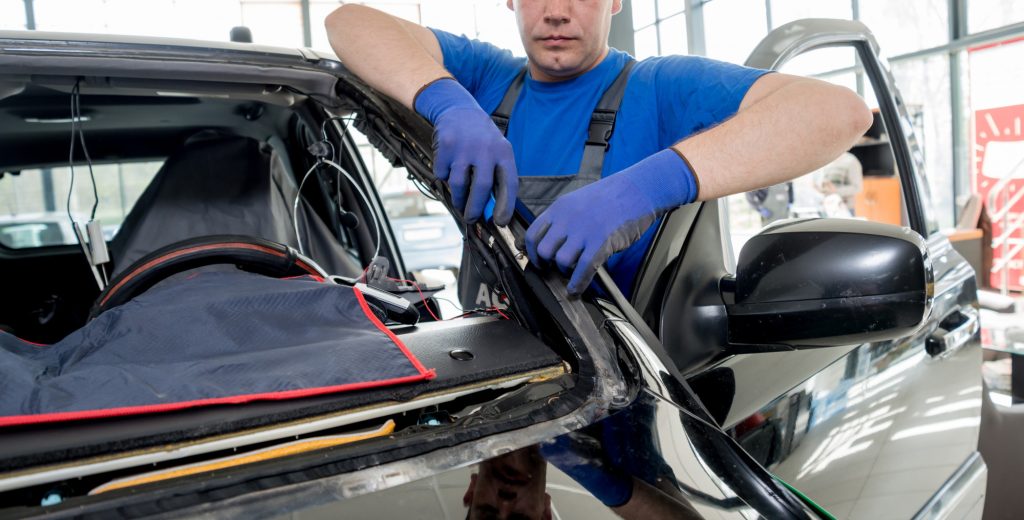
You’ve got meetings to make, kids to shuttle, and a calendar that won’t slow down just because a rock pinged your windshield. That’s exactly why drivers across the GTA are choosing on-site glass repair: a certified technician comes to your driveway, office, or job site and restores your visibility without derailing your day. As a mobile-first team, Auto Glass 360 has refined on-site glass repair into a safe, fast, and highly documented experience—so you get shop-grade quality without the shop visit.
In this deep guide, you’ll learn what on-site glass repair really involves, when it’s the right call vs. replacement, how we protect modern ADAS technology, what insurers typically cover, and the precise steps our technicians follow to deliver durable results. You’ll also see how to prepare for a smooth appointment, how fleets can reduce downtime, and why our quality controls give you confidence long after the repair.
What Exactly Is On-Site Glass Repair?
On-site glass repair is a professional service model that brings a fully equipped auto glass technician—complete with specialized resins, UV curing, and precision tools—directly to your location. Instead of finding half a day for a shop visit, you book a time, we arrive, and your vehicle gets the same careful attention you’d expect in-bay.
Core Benefits at a Glance
- Zero commute and minimal disruption: Schedule around your day while we work where the car already is.
- Safer than driving damaged: Avoid unnecessary road time with compromised glass.
- Faster fixes, lower costs: Small chips treated promptly won’t become long cracks that force replacement.
- Insurance-friendly: Many comprehensive policies encourage repairs because they prevent bigger claims.
In other words, on-site glass repair combines convenience with professional-grade results—precisely what busy drivers and fleet managers need.
Why “We Come to You” Is a Genuine Time Saver
Your Schedule, Not Ours
Between construction detours and 401 congestion, even a “quick” shop visit can eat half a day. On-site glass repair turns that into a short appointment—often completed while you attend a meeting, prep dinner, or manage a delivery window.
No Extra Risk on the Road
Driving with a chip or beginning crack increases the chance it spreads under wind load, potholes, or sudden temperature changes. With on-site glass repair, you eliminate a risky trip and stabilize the damage sooner.
The Repair-First Advantage
Prompt repair preserves your factory seal, reduces waste, and keeps costs down. Every day you wait raises the odds that a repairable blemish becomes a full-length crack—where replacement and calibration become necessary.
Safety & Compliance: How Mobile Fits the Rules
Your windshield is a structural component: it helps support the roof, acts as a backstop for the passenger airbag, and contributes to overall crash performance and visibility. A proper repair—performed to the right standard—protects that safety envelope.
Canadian resources worth bookmarking:
- Government of Ontario – Vehicle Safety: guidance on keeping vehicles roadworthy
- Transport Canada – Vehicle Safety Standards: educational info on safety technologies and standards
A key takeaway from these resources is that the “how” matters: process, materials, and documentation. That’s where professional on-site glass repair shines.
Repair vs. Replacement: Drawing the Line
Not all damage is equal. We use four criteria to advise repair vs. replacement.
Size
- Repair-friendly: Single chips roughly the size of a loonie; short, tight cracks
- Replacement likely: Long or branching cracks, especially if > ~15 cm
Location
- Repair-friendly: Damage away from the edge and outside the driver’s key sight zone
- Replacement likely: Edge damage (high-stress zone) or defects that distract in your main field of view
Depth
- Repair-friendly: Shallow outer-laminate impacts
- Replacement likely: Penetration into the interlayer/inner lite
Type
- Repair-friendly: Bullseye, half-moon, and short star breaks
- Replacement likely: Long linear or multi-branch cracks, especially near the frit band
When a repair qualifies, on-site glass repair lets you fix it fast and keep OEM bonding intact. When replacement is safer, we’ll explain why, source feature-matched glass, and complete any required calibrations.
ADAS Cameras and Why Precision Still Matters
Many late-model vehicles mount a forward-facing camera at the top center of the windshield to power lane support, automatic emergency braking, and traffic-sign recognition. While a small chip repair typically doesn’t disturb the camera, a full glass change can shift the optics slightly—enough to confuse those systems.
The Mobile Advantage
- Early intervention: On-site glass repair often prevents the scenario where replacement and camera recalibration become necessary.
- If replacement is required: We complete static/dynamic calibration per OEM procedure and provide a report for your records and insurer.
This is a crucial distinction: choosing timely on-site glass repair preserves both your day and your technology alignment.
Inside the Process: How a Mobile Repair Works
Step 1 – Scheduling & Pre-Check
You share your vehicle details and a quick description of the damage. We confirm whether on-site glass repair is appropriate or if replacement is likely.
Step 2 – Arrival & Set-Up
Your technician arrives with protective covers, specialized injection tools, and UV curing equipment. We select a safe, accessible spot, then walk you through the plan.
Step 3 – Inspection, Drying & Cleaning
We verify the chip type (bullseye, star, combo), measure any crack legs, check edge distance, and remove moisture/debris to optimize resin bonding.
Step 4 – Vacuum/Pressure Resin Injection
A bridge tool evacuates air from micro-fractures, then injects an optical-grade resin matched to the damage pattern. This is where professional on-site glass repair technique creates a durable fix.
Step 5 – UV Cure & Finish
We cure the resin, polish the surface, and evaluate optics from the driver’s perspective. Expect a major clarity improvement; a faint mark may remain under certain angles—normal for any repair.
Step 6 – Documentation & Care Tips
You receive a record suitable for insurance and resale. We’ll note any aftercare guidance (e.g., avoid pressure washing for 24 hours).
Throughout, our on-site glass repair workflow mirrors shop standards—because the standard is about process, not location.
Materials & Equipment: Why They Matter to Results
- Resins: Selected by viscosity, refractive index, and flexibility to suit bullseye vs. star breaks.
- Injection Devices: Precision bridge tools enable even resin distribution.
- UV Systems: Controlled curing for long-term stability in Canadian seasons.
- Environmental Controls: Wind shields, shade, and timing to ensure consistent bonding.
These ingredients and controls are what separate lasting on-site glass repair from a quick fix that fails under stress.
Real-World GTA Challenges (and How Mobile Helps)
Construction Debris & Gravel
From Lakeshore to Hwy 407, airborne debris is part of daily driving. Rapid-response on-site glass repair stops small impacts from becoming expensive replacements.
Potholes & Vibration
City routes plus winter damage equal sudden jolts. A tiny star can turn into a line after a single pothole. Fix early; fix on-site.
Freeze–Thaw & Heat Swings
Thermal stress can expand micro-fractures. Mobile convenience makes it easier to act the day you notice a blemish—before weather does its worst.
For Fleet Managers: Downtime Is the Enemy
Every hour a truck or van sits is an hour it isn’t earning. On-site glass repair enables:
- Batch servicing: Multiple repairs in a single visit
- Route-friendly scheduling: Stabilize chips between stops
- Standardized documentation: Clean records for safety files and claims
- Less driver shuttling: Keep vehicles on the job
With scale and coordination, on-site glass repair becomes a powerful uptime tool.
Myths vs. Reality: Mobile Quality, Clear Facts
Myth 1: “Mobile can’t match shop quality.”
Reality: With trained technicians, professional tools, and environmental controls, on-site glass repair meets shop-grade standards. Quality is about procedure, not postal code.
Myth 2: “Repairs must be invisible to count.”
Reality: Repairs aim to stop cracks from spreading and restore strong visibility. A faint blemish under certain light angles is normal and acceptable when structure and clarity are restored.
Myth 3: “Insurance doesn’t cover mobile.”
Reality: Many comprehensive policies prefer repair-first outcomes—on-site glass repair fits perfectly. We handle approvals and paperwork.
The Cost Picture: What Most Drivers Experience
When It’s a Repair
- Lower cost than replacement
- Fast appointment (often 30–45 minutes)
- Frequently covered by comprehensive insurance with little or no out-of-pocket cost
When It’s a Replacement
- Higher parts and labor
- 2–3 hours end-to-end with safe drive-away times
- Calibration if ADAS is present, with printed reports for your insurer
We’ll always advise the safest, most cost-effective path, with transparent pricing either way.
Preparation Checklist: Your Five-Minute Setup
- Park with a few feet of space around the front of the vehicle.
- Have permission for condo visitor parking or office lots, if applicable.
- Remove tall dash items or suction-cup mounts in the camera zone.
- Hold off on car washes until after your appointment.
- Snap a quick photo of the damage for your files (optional).
That’s it. On-site glass repair is built to be easy.
12 Moments On-Site Service Saves the Day
- You spot a chip during your morning commute—repaired at your office by lunch.
- Back-to-back meetings—repair while you present on Zoom.
- A rideshare vehicle gets a stone chip mid-shift—stabilized between fares.
- Pre-cottage trip—fix the blemish before highway speeds magnify it.
- Winter snap is coming—reduce the risk of overnight spreading.
- Condo visitor parking is open—quick repair with permission.
- A fleet van chips on delivery—repaired at the depot between routes.
- Sales day on the road—fix between customer calls.
- Spring construction season—small chips handled proactively.
- Insurance suggests “repair first”—covered and documented.
- Pre-sale inspection—fresh repair means smoother negotiations.
- Parent taxi-service day—repair in your driveway while you supervise homework.
Every scenario highlights how on-site glass repair converts a headache into a short, manageable task.
Weather & Environment: Quality First, Always
Resin flows and cures best under controlled conditions. If wind, heavy rain, extreme cold, or direct blazing sun would compromise results, we’ll adjust timing or recommend a brief in-bay visit. Our promise: never trade speed for quality.
Warranty & Documentation: Your Safety Net
Good work should be easy to prove and easy to stand behind. After on-site glass repair, you’ll receive documentation that satisfies insurers and reassures future buyers. If a workmanship-related issue arises, we resolve it promptly—no runaround.
Why Choose Auto Glass 360
When you call Auto Glass 360, you’re choosing a team that treats your windshield like the safety equipment it is. We built our mobile program to deliver shop-grade outcomes wherever you are.
Our Commitments
- Honest triage: If the damage is safely repairable, we repair. If it needs replacement, we explain why and outline next steps.
- On-site glass repair excellence: Optical-grade resins, professional injection tools, meticulous prep, and UV curing.
- Feature-matched parts (when replacing): Coatings, acoustic interlayers, tint bands, HUD/camera brackets.
- Calibration capability: If replacement is required, we perform OEM-specified ADAS calibration and provide printed/digital reports.
- Insurance coordination: Clear estimates, fast approvals, insurer-ready documentation.
- Workmanship guarantee: We stand behind every on-site glass repair and any replacement we perform.
Our goal is simple: restore your visibility and confidence while respecting your time.
Keeping Small Problems Small: Maintenance Habits That Work
- Replace wiper blades every 6–12 months to avoid micro-scratches.
- Leave more distance behind gravel trucks and construction vehicles.
- Warm the cabin gradually on freezing mornings; avoid blasting hot air at a cold chip.
- Clean the inside of the windshield regularly, especially where cameras view through the glass.
- Book on-site glass repair as soon as you notice a blemish—speed is your friend.
Fix It Where You Park It
A chip or short crack shouldn’t hijack your day. With on-site glass repair from Auto Glass 360, an expert comes to you, stabilizes the damage with high-clarity resin, and provides the documentation your insurer and future buyer will appreciate. If replacement is the safer move, you’re already in good hands for feature-matched glass and OEM-correct calibrations.
Ready to stop a small problem from becoming a costly one? Book on-site glass repair with Auto Glass 360 today. We’ll meet you where it’s convenient, deliver shop-grade quality, and get you back to life with clear vision and total confidence.
Frequently Asked Questions
1) Is on-site glass repair as reliable as in-shop service?
Yes. When performed with the right tools, resins, and environmental controls by trained technicians, on-site glass repair matches shop-grade outcomes. The standard is about process, not location.
2) How long does an on-site glass repair appointment take?
Most chip repairs take about 30–45 minutes, including assessment, resin injection, UV curing, and final checks. The whole point of on-site glass repair is minimal disruption with professional results.
3) Will my insurance cover on-site glass repair?
Many comprehensive policies do, often with little or no cost to you. We help confirm eligibility and provide insurer-ready documentation so your on-site glass repair is straightforward.
4) Can every crack be fixed with on-site glass repair?
No. Long, branching, or edge cracks usually require replacement. We’ll assess on location and explain whether on-site glass repair is safe or if new glass and calibration are the better choices.
5) What if my car has a windshield camera—does on-site glass repair still work?
Often yes. A small chip away from the camera’s field can be stabilized without disturbing alignment. If replacement is required, we perform OEM-specified calibration and provide a report.
6) Will the repair be invisible after on-site glass repair?
You may see a faint blemish under certain angles, but clarity typically improves significantly and the crack is stabilized. The goal of on-site glass repair is structural safety and clean vision, not cosmetic perfection.
7) Where can you meet me for on-site glass repair in the GTA?
With safe access and permission, we routinely perform on-site glass repair at homes, office lots, condo visitor parking, and approved loading areas throughout the GTA and surrounding cities.
Need help now? Schedule on-site glass repair with Auto Glass 360 and get your auto glass fixed quickly, correctly, and on your terms.
