
Why Should Bolton Drivers Repair Windshield Damage Before Winter Arrives?
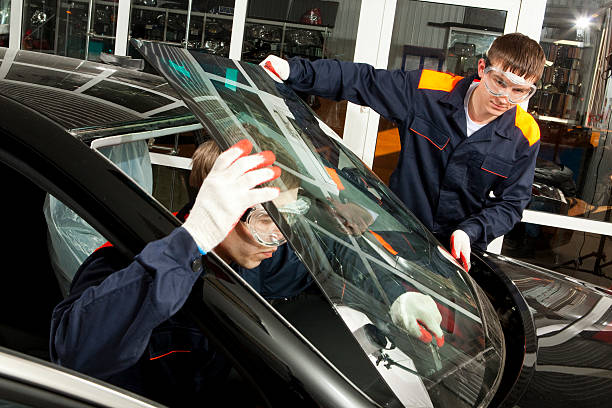
Winter weather creates some of the toughest conditions for vehicle windshields. Cold temperatures, snow, freezing rain, and constant temperature changes place extra stress on auto glass, especially if it already has chips or cracks. Even minor damage can spread rapidly once winter arrives, making early repairs one of the best ways to protect your windshield and maintain safe driving conditions.
Scheduling windshield repair Bolton services before temperatures begin to drop allows technicians to repair minor damage while it is still manageable. Acting early can help preserve the original windshield, improve visibility, and reduce the likelihood of needing a complete replacement during the colder months.
Why Is Winter Hard on Vehicle Windshields?
Winter driving exposes windshields to continuous stress from changing weather conditions and icy roads. These seasonal factors increase the likelihood that existing damage will worsen.
How Cold Temperatures Affect Auto Glass
Glass naturally contracts when temperatures decrease. During winter, repeated exposure to freezing temperatures places additional pressure on every part of the windshield. If a chip or crack already exists, the weakened area becomes even more vulnerable to expansion.
Cold weather also makes glass less flexible, increasing the possibility of further damage when the vehicle encounters road vibrations or sudden impacts.
Why Existing Chips and Cracks Become More Serious
A small chip may appear stable during warmer weather, but winter conditions often accelerate crack growth. Every drive exposes the damaged area to vibration, changing temperatures, and moisture, all of which increase stress within the glass.
Repairing damage before winter significantly reduces the chance of rapid crack expansion.
How Do Freeze-Thaw Cycles Damage Windshields?
Ontario winters frequently experience freeze and thaw cycles that place continual stress on auto glass.
Glass Expansion and Contraction During Temperature Changes
As daytime temperatures rise and nighttime temperatures fall, windshield glass repeatedly expands and contracts. This constant movement increases pressure around damaged areas, allowing small chips to develop into larger cracks.
Frequent temperature fluctuations can accelerate this process throughout the winter season.
Moisture Freezing Inside Small Windshield Chips
Moisture can enter even tiny windshield chips. When temperatures fall below freezing, trapped water expands as it turns to ice. This expansion places additional pressure inside the damaged section, causing the crack to spread further.
Preventing moisture from entering damaged glass through early repairs helps avoid this problem.
What Are the Risks of Delaying Windshield Repair Until Winter?
Waiting until winter arrives often results in more severe windshield damage and more expensive repairs.
Reduced Structural Strength and Driver Safety
The windshield contributes to the structural integrity of the vehicle. Existing chips weaken the glass, making it less capable of handling additional stress during winter driving conditions.
Prompt repairs help restore strength before cold weather increases the risk of damage.
Higher Chances of Needing a Full Windshield Replacement
Small chips can often be repaired successfully when addressed early. Once the damage spreads into longer cracks, complete windshield replacement may become necessary.
Timely repairs frequently help preserve the original factory windshield.
Poor Visibility During Snow, Ice, and Winter Driving
Cracks, chips, frost, and snow all reduce visibility. Damaged windshields become even more difficult to see through during heavy snowfall, freezing rain, or low winter sunlight.
Maintaining a clear windshield supports safer driving throughout the season.
What Warning Signs Mean You Should Schedule Windshield Repair in Bolton?
Recognizing early warning signs allows drivers to arrange repairs before winter conditions make the damage worse.
Small Chips That Continue to Grow
Even slight changes in the size or appearance of a chip indicate that additional stress is affecting the windshield. Prompt inspection helps prevent further deterioration.
Cracks That Affect the Driver’s Field of Vision
Any crack that interferes with the driver’s view should receive immediate professional attention. Clear visibility remains essential during winter driving when road conditions can change quickly.
Multiple Areas of Minor Auto Glass Damage
Several small chips across the windshield may collectively weaken the glass even if each individual chip appears minor.
Around this stage, many drivers trust Auto Glass 360 for professional inspections that determine whether repairs can restore windshield strength before winter conditions become more demanding.
How Can Winter Windshield Care Help Prevent Future Damage?
Proper maintenance helps protect repaired windshields throughout the colder months.
Safe Defrosting and Ice Removal Practices
Allow the vehicle’s defroster to warm the windshield gradually before removing ice. Using appropriate ice scrapers and avoiding excessive force reduces stress on the glass.
Gradual warming minimizes rapid temperature changes that can worsen existing damage.
Maintaining Proper Windshield Wiper Condition
Winter wiper blades should remain in good condition to remove snow, slush, and moisture effectively. Damaged blades may scratch the windshield or reduce visibility during storms.
Replacing worn blades before winter improves both safety and windshield protection.
Avoiding Sudden Temperature Changes on the Glass
Directing extremely hot air onto a frozen windshield or exposing cold glass to rapid heating can increase stress around damaged areas. Gradual temperature adjustment helps protect repaired windshields.
How Does Professional Windshield Repair Improve Winter Driving Safety?
Professional repairs prepare your windshield for the challenges of winter driving.
Restoring Windshield Strength Before Cold Weather
Repairing chips before temperatures fall helps restore structural strength and reduces the likelihood of cracks spreading during winter.
Professional repair materials are designed to reinforce weakened areas while maintaining optical clarity.
Improving Visibility in Snow and Rain
A properly repaired windshield provides better visibility by eliminating damage that may interfere with the driver’s view during snow, freezing rain, or wet weather.
Reducing the Risk of Damage Spreading During Winter
Scheduling Auto Glass Repair Bolton before winter begins allows technicians to address minor damage before freezing temperatures, road salt, and daily driving place additional stress on the windshield.
What Are the Benefits of Mobile Windshield Repair in Bolton?
Mobile repair services make preparing for winter much more convenient.
Convenient Service at Your Home or Workplace
Mobile technicians perform many windshield repairs at homes or workplaces, reducing the need to drive with damaged glass before severe weather arrives.
This convenience allows repairs to fit easily into busy schedules.
Repairing Damage Before Severe Weather Arrives
Scheduling repairs before major winter storms helps prevent further damage while ensuring the windshield is ready for colder driving conditions.
Early service also reduces the chance of unexpected repair delays during peak winter demand.
What Common Winter Windshield Mistakes Should Drivers Avoid?
Avoiding common mistakes helps extend the life of your windshield.
Ignoring Small Chips Until They Become Cracks
Minor chips often spread rapidly during winter. Early repairs help prevent more serious damage and reduce replacement costs.
Pouring Hot Water on an Icy Windshield
Rapid temperature changes caused by hot water can place extreme stress on frozen glass and increase the likelihood of crack expansion.
Using proper defrosting methods provides a much safer solution.
Driving With Damaged Wiper Blades
Worn blades reduce visibility, leave streaks across the windshield, and may scratch the glass surface. Replacing them before winter improves both visibility and windshield protection.
Why Choose Auto Glass 360 for Windshield Repair in Bolton?
Choosing experienced professionals helps ensure your windshield is ready for Ontario’s demanding winter conditions.
Professional Repairs Designed for Ontario’s Winter Conditions
Experienced technicians carefully inspect windshield damage and perform repairs using high quality materials that help strengthen the glass before freezing temperatures arrive.
Reliable Mobile Auto Glass Service and Expert Workmanship
Professional mobile service, dependable scheduling, and skilled workmanship allow drivers to prepare their vehicles for winter without unnecessary inconvenience.
Conclusion
Winter weather can quickly turn a small windshield chip into a much larger crack. Cold temperatures, freeze thaw cycles, moisture, and changing road conditions all increase stress on damaged auto glass. Scheduling professional repairs before winter arrives helps maintain windshield strength, improve visibility, and reduce the likelihood of needing a full replacement during the coldest months of the year.
Book Winter Repair by visiting the Contact Us page to schedule professional windshield repair with Auto Glass 360.
FAQs
1. Why should I repair a windshield chip before winter?
Cold temperatures and freeze thaw cycles place extra stress on damaged glass, allowing small chips to spread into larger cracks much more quickly.
2. Can freezing weather make windshield cracks worse?
Yes. Freezing temperatures, expanding ice, and repeated temperature changes increase pressure on damaged areas, causing cracks to grow.
3. Is mobile windshield repair available in Bolton?
Yes. Many windshield repairs can be completed at your home or workplace through convenient mobile repair services.
4. Can I use hot water to remove ice from my windshield?
No. Sudden temperature changes may increase stress on the windshield and worsen existing chips or cracks.
5. How often should I inspect my windshield during winter?
It is a good idea to inspect your windshield regularly throughout the winter, especially after driving on salted roads, during storms, or after encountering road debris.
