
Windshield Adhesive Cure Time: How Long Before You Can Safely Drive Away?
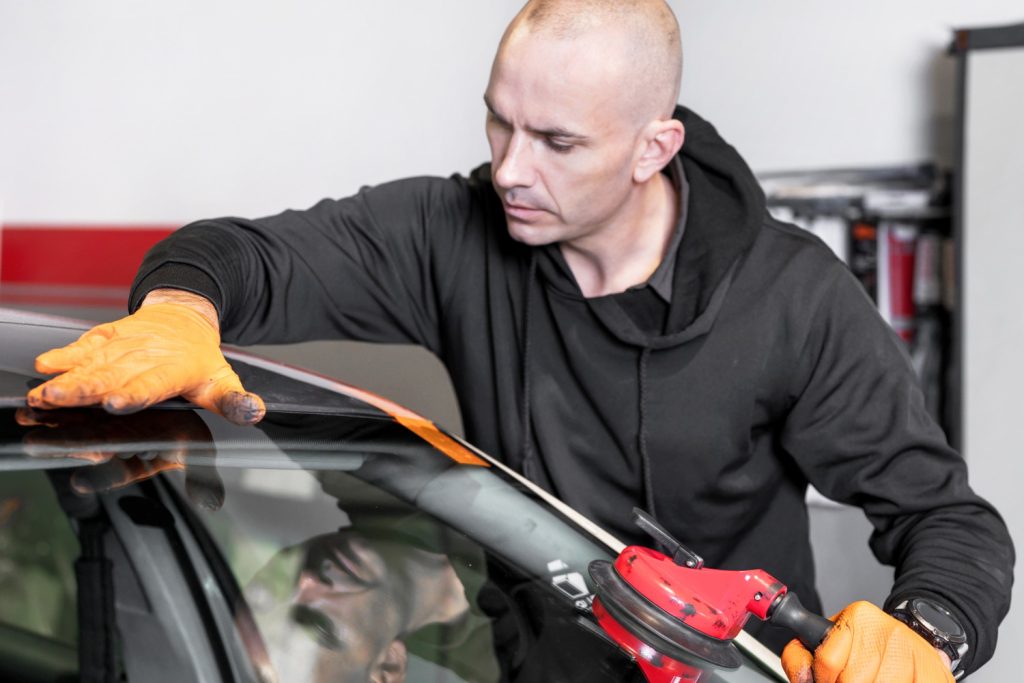
Getting a new windshield installed can feel surprisingly quick. The damaged glass comes out, the replacement goes in, the trim is restored, and the vehicle may look ready for the road. However, installation time and windshield adhesive cure time are not the same thing. The urethane bonding the windshield to the vehicle still needs enough time to develop the strength required before the vehicle should be driven. That waiting period is often called the safe drive-away time.
For GTA drivers, understanding windshield adhesive cure time is important because there is no single waiting period that applies to every replacement. Adhesive type, temperature, humidity, vehicle design, installation procedures, and other factors can influence when it is safe to leave. Auto Glass 360 recommends following the exact safe drive-away instructions given by the installer after Auto Glass Replacement rather than assuming that every vehicle can be driven immediately or after a standard number of minutes.
What Is Windshield Adhesive Cure Time?
Windshield adhesive cure time describes the period during which the adhesive used to bond the windshield develops strength after installation. Automotive windshield adhesives are commonly urethane-based products designed specifically for direct glazing applications. Once applied between the vehicle body and windshield, the adhesive begins curing and creating the bond that holds the glass securely in its installed position.
However, windshield adhesive cure time should not automatically be confused with the point at which the adhesive is completely cured throughout the entire bead. A vehicle may reach its manufacturer-defined or adhesive-manufacturer-defined safe drive-away time before every part of the urethane has reached its final cure state. This distinction matters because drivers mainly need to know when the installation has developed sufficient strength for the vehicle to be released according to the adhesive system and installation procedure.
Cure Time Vs Safe Drive-Away Time
Safe drive-away time refers to the period an approved adhesive system requires before the vehicle can be released for driving under the conditions specified for that product. Adhesive manufacturer Sika explains that safe drive-away time can depend on the adhesive as well as temperature and humidity at the time of replacement. This is why the technician’s instructions should always take priority over a general estimate found online.
Full Cure Can Take Longer
Windshield adhesive cure time can continue after the vehicle has reached its safe drive-away point. Some urethane products continue curing deeper through the adhesive bead after the vehicle has already been released. Drivers therefore should not interpret permission to drive as meaning that the adhesive has instantly reached every final material property.
Why Safe Drive-Away Time Matters
The windshield is not simply placed loosely into the opening. It forms part of a bonded installation system that is designed to retain the glass in specified conditions. Canada’s Motor Vehicle Safety Regulations include Standard 212 for windshield mounting, and the regulation requires applicable passenger cars and certain other vehicles to conform to Technical Standards Document No. 212. The Transport Canada technical document explains that the standard establishes windshield retention requirements during crashes.
That safety context is why windshield adhesive cure time deserves more attention than the cosmetic appearance of the completed job. A windshield may look perfectly positioned while the urethane is still developing the strength associated with its safe drive-away specification. Leaving before the installer says the vehicle is ready can introduce unnecessary uncertainty into a system designed to keep the windshield properly mounted.
Windshield Retention Is A Vehicle Safety Consideration
Transport Canada’s TSD 212 specifically addresses windshield retention during crashes and establishes minimum retention requirements under its test conditions. For drivers, the practical takeaway is simple: the bond between the windshield and vehicle matters, and allowing the adhesive system to reach its required safe drive-away condition is an important part of proper Auto Glass Replacement.
A Finished Looking Installation May Still Be Curing
The fact that the trim is reinstalled and the windshield appears secure does not mean windshield adhesive cure time is complete. Urethane curing happens chemically within the adhesive, so the progress cannot be judged simply by touching the visible edge or looking at the installed glass.
How Long Is Windshield Adhesive Cure Time?
There is no universal windshield adhesive cure time that applies to every product. Modern automotive glazing adhesives can have very different safe drive-away specifications. Some high-performance systems are designed for relatively short release times, while other products may require considerably longer periods. Temperature, relative humidity, vehicle configuration, airbag considerations, and the adhesive selected can all be part of the safe drive-away calculation.
For example, Sika publishes different safe drive-away specifications across its automotive replacement adhesive products and states that safe drive-away time is determined based on factors including the particular adhesive and climatic conditions. Therefore, statements such as “all replacements are ready in 30 minutes” or “you always need to wait two hours” are too broad. Auto Glass 360 recommends asking the installer for the exact safe drive-away time associated with your installation.
Why One-Hour Rules Can Be Misleading
A one-hour estimate may be correct for a particular adhesive and set of conditions, but it should not be treated as a universal windshield adhesive cure time. Different products are tested and specified differently. The installer should know which urethane was used and what release time applies under the conditions of your replacement.
Ask For An Exact Safe Drive-Away Time
Before leaving after Auto Glass Replacement, ask one simple question: “What time can I safely drive this vehicle?” The technician should provide a specific answer based on the adhesive system and installation rather than asking you to estimate windshield adhesive cure time yourself.
What Affects Urethane Cure Time?
Several variables can influence windshield adhesive cure time. The adhesive chemistry itself is the first factor because different products use different formulations and curing technologies. Ambient temperature and relative humidity can also matter, particularly with moisture-curing polyurethane systems. The conditions around the vehicle during and after installation therefore form part of the overall service environment.
Vehicle and installation factors can matter as well. Adhesive manufacturers publish product-specific instructions, temperature ranges, preparation procedures, application requirements, and safe drive-away information. A professional installer should work within those specifications rather than applying one generic urethane cure time to every windshield. This is another reason the driver’s safest source of information is the technician who knows exactly which product was installed.
Adhesive Product
Different automotive urethanes can have different windshield adhesive cure time characteristics. One product may be engineered for a short safe drive-away period, while another may require more time. Always follow the product-specific recommendation supplied through the installer.
Temperature And Humidity
Temperature and humidity can affect the behaviour of many automotive glazing adhesives. Sika’s published guidance notes that its safe drive-away charts can depend on ambient temperature and relative humidity, and its technical guidance also addresses special procedures for extremely hot and cold conditions.
Installation Conditions
Surface preparation, primers, glass preparation, adhesive application, and installation procedures all contribute to a successful bond. Windshield adhesive cure time should therefore be considered part of a complete professional installation rather than a stand-alone countdown that begins regardless of how the work was performed.
How Cold Weather Affects Windshield Adhesive Cure Time
Cold GTA temperatures can make windshield installation more demanding. Some direct glazing adhesives become more viscous as temperatures fall, making application and positioning more difficult. Adhesive manufacturers may specify product temperature requirements, cold-weather procedures, or different handling instructions. This does not mean every modern urethane automatically needs an extremely long wait in cold weather, because some products are engineered and tested to perform across a wide temperature range.
The important point is that windshield adhesive cure time during cold-weather replacement must come from the actual product specification and installation conditions. Drivers should not assume that a replacement performed in January follows the exact same practical process as one performed on a warm day in June. Auto Glass 360 can account for the environmental conditions and provide the safe drive-away instruction applicable to the completed installation.
Cold Conditions Can Change Adhesive Handling
Sika’s automotive glass replacement guidance states that direct glazing adhesives generally increase in viscosity as temperature decreases and includes special procedures for cold installations. Proper product handling and application conditions therefore become especially important during low-temperature replacements.
Cold Weather Does Not Create One Universal Waiting Time
It would be inaccurate to say that every cold-weather windshield automatically requires the same extended windshield adhesive cure time. Modern adhesive products have different specifications. The correct waiting period must be based on the product and conditions rather than the season alone.
Does Humidity Affect Windshield Urethane?
Humidity can matter because many one-component polyurethane windshield adhesives cure through interaction with environmental moisture. That does not mean higher humidity is always automatically “better” or that a driver should attempt to manipulate conditions after installation. Instead, it means the adhesive manufacturer’s published safe drive-away data should account for the environmental range in which the product is designed to operate.
For drivers, there is no need to calculate windshield adhesive cure time from a weather app. Professional installers should understand the adhesive being used and its applicable specifications. If the replacement is performed during unusually dry, humid, hot, or cold conditions, ask whether those conditions affect the safe drive-away time you were given.
Moisture-Curing Adhesives Follow Product Specifications
Some automotive urethanes use moisture-curing chemistry, meaning environmental conditions can influence curing behaviour. The manufacturer’s technical documentation remains the proper reference for determining the windshield adhesive cure time associated with a particular installation.
Drivers Should Not Guess Based On Weather
Seeing a temperature or humidity reading does not tell you when your windshield is safe to drive. Different adhesive systems respond differently, which is why the installer should provide the release time.
Quick Checklist After Windshield Replacement
The period immediately following replacement is when drivers often have the most questions. You may want to know when you can drive, whether you can wash the vehicle, whether temporary tape should remain in place, and whether normal door operation is acceptable. These questions should be answered by the installer because aftercare can depend on the adhesive system and replacement procedure.
Most importantly, do not shorten the windshield adhesive cure time simply because you need the vehicle sooner. If your schedule requires immediate transportation, discuss that requirement before the replacement appointment. The shop may be able to explain which service options are available, but safety-related release instructions should not be ignored for convenience.
- Ask for your exact safe drive-away time
- Confirm which adhesive system was used if you want it for your records
- Do not drive before the installer releases the vehicle
- Follow instructions concerning temporary retention tape
- Ask when automatic or high-pressure car washing is appropriate
- Avoid disturbing the newly installed windshield
- Follow any door, window, or pressure-related aftercare instructions
- Keep the replacement invoice and warranty information
- Ask whether ADAS Recalibration is required
- Contact the installer if you notice unusual wind noise, water intrusion, or movement
Safe Drive-Away Time Is Not The Same As Installation Time
A technician may be able to physically remove and replace a windshield relatively quickly, but the end of installation does not automatically mark the end of windshield adhesive cure time. This distinction is particularly important when comparing auto glass companies that advertise very fast replacement appointments. A short installation duration can be convenient, but the vehicle still should not be released until the applicable adhesive safe drive-away requirement has been met.
For example, a windshield could be installed within an hour while the driver is still required to remain parked for an additional period afterward. Alternatively, a specific fast-curing adhesive might have a short tested safe drive-away specification. The important number is not simply how quickly the technician can finish working. It is the time at which the adhesive system permits the vehicle to be safely released.
Replacement Duration Measures The Work
Installation duration refers to how long technicians need to remove the damaged windshield, prepare the vehicle, apply adhesive, position the replacement glass, reinstall components, and complete related work. That timeline is different from windshield adhesive cure time.
Safe Drive-Away Time Measures Release Readiness
Safe drive-away time tells you when the adhesive has reached the product-specific level required for the vehicle to be released under the stated conditions. Always ask for this time separately if it is not clearly explained during the appointment.
Why Windshield Mounting Strength Matters
Canada’s windshield mounting requirements demonstrate why windshield retention is more than an appearance issue. Standard 212 of the Motor Vehicle Safety Regulations requires applicable vehicles to conform to TSD 212, and Transport Canada’s technical document states that its purpose includes reducing crash injuries and fatalities through windshield retention during a crash. This provides useful safety context for understanding why proper windshield bonding matters.
The regulation does not give drivers one universal windshield adhesive cure time for aftermarket replacements. That timing comes from the adhesive system and installation procedure. The regulatory context instead reinforces why the windshield’s mounted condition matters and why drivers should follow professional safe drive-away instructions instead of treating fresh urethane as merely a sealant that keeps rain outside.
Canadian Windshield Mounting Requirements
Drivers who want more information can review Transport Canada Technical Standards Document No. 212, Windshield Mounting. The document establishes windshield retention requirements for specified vehicles during crash testing.
Motor Vehicle Safety Regulations
The federal regulation referencing this windshield mounting standard is available through Government of Canada Motor Vehicle Safety Regulations, Standard 212. These requirements provide broader context for why correct windshield installation and retention are important vehicle safety considerations.
Can You Drive Immediately After Windshield Replacement?
You should drive only after the installer confirms that the vehicle has reached its required safe drive-away time. Even if a particular adhesive advertises a short windshield adhesive cure time, that does not mean every vehicle and every installation automatically qualifies for the shortest published time. Product selection and applicable conditions need to be considered.
If you need the vehicle for work, school, appointments, or a long trip, tell Auto Glass 360 about your schedule when booking Auto Glass Replacement. Planning ahead is much safer than assuming the vehicle will be ready at a particular time. Once the installation is completed, follow the technician’s specific release time rather than advice based on another driver’s replacement.
Never Copy Another Vehicle’s Waiting Period
A friend may have been able to drive 30 minutes after replacement, while another driver was told to wait longer. Neither example proves what your windshield adhesive cure time should be. Different adhesives and installation circumstances can produce different safe drive-away requirements.
Build Waiting Time Into Your Appointment
When booking replacement, allow some flexibility after the physical installation. This makes it easier to respect the required waiting period without feeling pressured to leave before the technician releases the vehicle.
How ADAS Recalibration Fits Into The Timeline
Many newer vehicles use windshield-mounted cameras for Advanced Driver Assistance Systems. If the windshield is replaced, ADAS Recalibration may be required according to the vehicle’s procedures. This creates another important distinction in appointment planning: windshield adhesive cure time and calibration time are separate parts of the overall service process.
Depending on the vehicle, calibration may involve static procedures, dynamic procedures, or both. The windshield must be installed correctly first, and the service provider must follow the relevant sequence for the vehicle and adhesive system. Auto Glass 360 can identify whether ADAS Recalibration applies and explain how it fits with the Auto Glass Replacement appointment.
Calibration Can Add To Total Appointment Time
Even if the windshield has reached its specified safe drive-away point, the service may not be complete if ADAS Recalibration is still required. Drivers should ask about both processes when scheduling a camera-equipped vehicle.
Cure Time Should Not Be Confused With Calibration Completion
Windshield adhesive cure time concerns the adhesive bond. ADAS Recalibration concerns camera and driver-assistance system alignment. One does not automatically complete the other, even when both are part of the same replacement appointment.
Why Choose Auto Glass 360
Auto Glass 360 helps GTA drivers approach windshield replacement as a complete installation process rather than simply swapping one piece of glass for another. Auto Glass Replacement involves selecting appropriate glass, removing the damaged windshield, preparing the bonding area, applying the automotive adhesive, installing the new glass, and respecting the required windshield adhesive cure time before the vehicle is released.
The team can also identify related requirements such as ADAS Recalibration when a modern windshield-mounted camera is involved. Most importantly, drivers receive guidance based on their actual installation rather than a generic internet rule. If you need a replacement, Auto Glass 360 can explain the service process, aftercare expectations, and safe drive-away timing so you know when your vehicle is ready to return to the road.
Let The Adhesive Reach Its Safe Drive-Away Time
Windshield adhesive cure time is one of the most important parts of windshield replacement that drivers cannot see. The glass may look completely installed while the urethane underneath is still developing its required bond. Depending on the adhesive, temperature, humidity, vehicle, and installation conditions, safe drive-away timing can vary. That is why a universal 30-minute, one-hour, or two-hour rule should never replace the instructions given for your specific installation.
If your windshield needs replacement, book Auto Glass Replacement with Auto Glass 360 and ask for the safe drive-away time before leaving. In cold weather, unusual environmental conditions, or vehicles requiring additional technology work, follow the technician’s instructions carefully. Respecting windshield adhesive cure time helps ensure that the replacement process is completed properly rather than rushing the final and most important waiting period.
Frequently Asked Questions
Windshield replacement timing can be confusing because drivers often hear several different numbers from different sources. The key distinction is between installation duration, safe drive-away time, and full adhesive cure. These terms are related, but they do not necessarily describe the same point in the process.
The answers below provide general guidance about windshield adhesive cure time, but your installer’s product-specific safe drive-away instructions should always take priority. The technician knows which adhesive was used and the conditions under which your replacement was completed.
What is windshield adhesive cure time?
Windshield adhesive cure time is the period during which the automotive urethane used to bond the windshield develops strength after installation. Safe drive-away time identifies when the vehicle can be released according to the adhesive system’s requirements.
Is windshield adhesive cure time always one hour?
No. Windshield adhesive cure time and safe drive-away specifications vary by adhesive product and installation conditions. Some systems have short release times, while others can require longer waiting periods.
Does cold weather increase windshield adhesive cure time?
Cold conditions can affect adhesive handling and the behaviour of some urethane systems, but there is no single cold-weather waiting time that applies to every product. Follow the safe drive-away time provided by the installer.
Can I drive before the windshield adhesive cure time is complete?
You should not drive before the installer confirms that the required safe drive-away time has been reached. The windshield may look secure before the adhesive has developed the required release strength.
Is safe drive-away time the same as full windshield adhesive cure time?
Not necessarily. A windshield can reach its specified safe drive-away condition while the adhesive continues curing afterward. Follow all aftercare instructions even after you have been cleared to drive.
Does ADAS Recalibration affect windshield adhesive cure time?
ADAS Recalibration does not determine the chemical cure of the adhesive, but it can add another step to the overall replacement appointment. Both requirements should be considered when planning your service.
Who determines the correct windshield adhesive cure time?
The adhesive manufacturer’s specifications and the installation conditions determine the applicable safe drive-away requirement. Your installer should provide the exact time you need to follow after replacement.
