
Is My Windshield Crack Covered by Insurance? A Guide for Auto Glass Claims
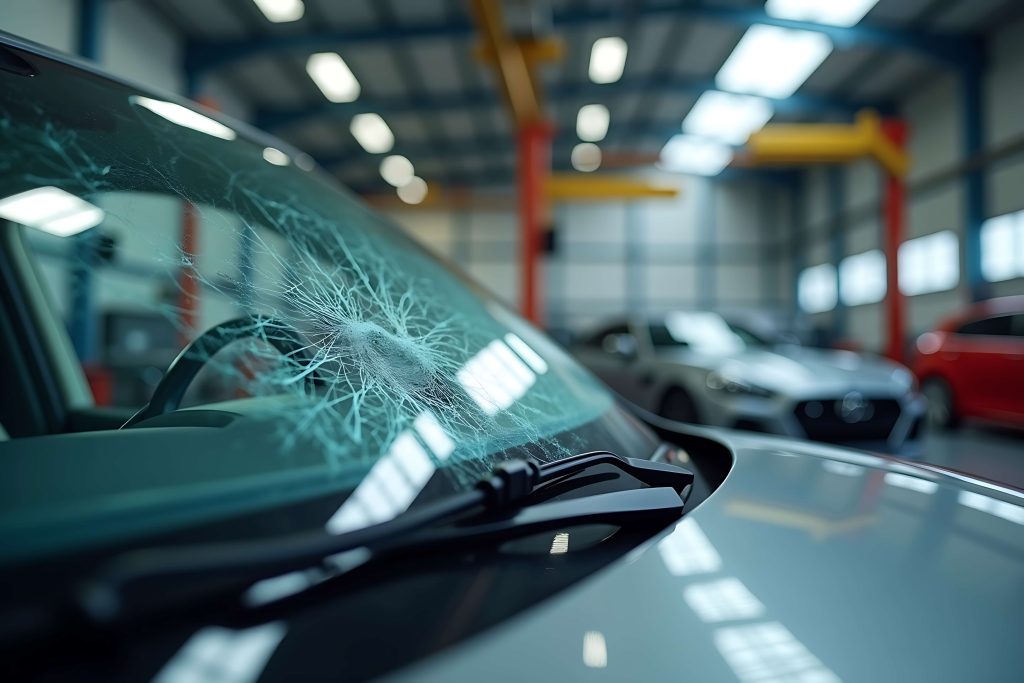
You’re driving on the 401 and—ping. A rock jumps up from a truck’s tire and leaves a sharp line across your windshield. You pull into your driveway, look closer, and the question hits: is this covered? Am I paying out of pocket, or does my policy include windshield crack insurance?
This is one of the most common questions we hear at Auto Glass 360. The short answer is: in many cases, yes, windshield crack insurance can reduce or even eliminate what you pay. But it depends on your coverage type, the severity of the damage, how fast you act, and how the claim is filed. Getting it wrong can mean a denied claim or paying more than you needed to.
This in-depth guide walks you through everything you need to know about windshield crack insurance—how it works, what’s usually covered, how deductibles apply, and the right way to handle a claim if you need repair or full replacement. We’ll also explain how your windshield affects safety, inspection standards, and modern driver-assistance systems, and why all of that matters when you submit a claim.
By the end, you’ll know how to talk to your insurer with confidence and how Auto Glass 360 can manage both the repair work and the paperwork.
Why Windshield Damage Is Treated Differently Than Other Vehicle Damage
Not all vehicle damage is equal in the eyes of your insurer. Windshield cracks fall into a special category, and understanding that will help you navigate windshield crack insurance more easily.
Your windshield is safety equipment
Your windshield is not cosmetic. It stabilizes the roof in a rollover, supports proper deployment of airbags, and shields you from impact and debris. It also affects visibility, which directly affects collision risk. Because of that, windshield crack insurance often treats glass damage as urgent safety maintenance, not “nice to have.”
Small problems become expensive fast
A chip today can be a running crack tomorrow. Temperature swings, potholes, frame flex, and road vibration can make a hairline spread across half the glass overnight. Insurers know this. It’s often cheaper for them to pay for a quick stabilization now than a full replacement later. That’s one of the reasons windshield crack insurance may cover a repair with little or no out-of-pocket cost.
Modern windshields are loaded with tech
On a lot of newer vehicles, the windshield is home to ADAS components like lane-keeping cameras and automatic emergency braking sensors. That means a crack can interfere with systems designed to help you avoid a collision. A proper claim under windshield crack insurance often includes not just glass, but calibration of those systems after installation. We’ll get to that.
What Type of Insurance Usually Covers Windshield Cracks?
Here’s where it becomes important to know how your policy is structured.
Comprehensive coverage and windshield crack insurance
Most of the time, windshield crack insurance falls under comprehensive coverage. Comprehensive typically covers non-collision damage: falling debris, vandalism, rocks, even weather. If your crack came from a flying stone on the highway, that usually falls under comprehensive.
Do you pay a deductible under comprehensive?
This depends on your insurer and your policy. Some policies have “no deductible” for windshield crack insurance if you’re repairing a chip or small crack. Others apply a deductible only if you need a full replacement. In some cases, you may pay nothing for repair but be on the hook for part of the replacement if the crack can’t be fixed.
Collision coverage and rare scenarios
If the crack happened as part of a collision—say, you hit something and the windshield cracked when the airbag deployed—then the claim might fall under collision instead. Collision deductibles can be higher than those often associated with windshield crack insurance under comprehensive.
Special glass riders
Some drivers pay for extra glass protection. This is add-on coverage specifically for windshield crack insurance and other auto glass issues. These riders may waive deductibles entirely and allow multiple claims per year without affecting premiums. If you opted for this, you’re in great shape.
Does Filing a Windshield Claim Raise My Premium?
This is one of the most common fears. In many cases, a standalone windshield crack insurance claim does not trigger a rate hike the way an at-fault collision claim might. Insurers often view windshield crack insurance as routine maintenance and risk prevention, not high-risk behaviour.
That said, every insurer has its own underwriting rules. The best approach is to ask directly, but phrase it correctly: “If I submit a windshield crack insurance claim under comprehensive, is this considered a not-at-fault claim, and does it affect my renewal rate?”
Auto Glass 360 can help guide that conversation. We work with customers every day who want to restore safe visibility while also being smart about premiums.
Repair vs Replacement: How That Affects Your Claim
When you reach out about windshield crack insurance, the first question your insurer will ask (or ask us): can it be repaired, or does it need full replacement?
When a repair is approved
A repair is usually approved by windshield crack insurance if:
- The chip is small (about loonie-sized or smaller)
- The crack is short and not branching
- The damage is away from the windshield edge
- It’s not directly in your main line of sight
- It’s relatively recent (not contaminated with moisture or dirt)
In these cases, the insurer is often happy to pay for a proper resin injection and UV cure, because the cost is low and it prevents a more expensive situation later. Many policies cover that kind of work with no deductible. For you, that means fast fix, minimal paperwork, and no interruption.
When replacement is required
Windshield crack insurance typically approves replacement when:
- The crack is long, spreading, or branching
- The crack reaches or starts at the windshield edge (high-stress zone)
- There’s deep penetration beyond the outer layer of glass
- The damage distorts vision in your critical sight zone
- The windshield houses a forward ADAS camera that cannot function safely with the damage
In these cases, replacement is a safety issue. It’s still usually covered, but you may be responsible for the deductible depending on your plan. You also may need ADAS recalibration afterward, which we’ll cover next. A good windshield crack insurance claim accounts for both the new glass and that calibration.
ADAS, Calibration, and Why Insurance Cares
This part surprises a lot of drivers. On many late-model vehicles, there’s a camera or sensor attached to the windshield that powers features like lane departure warning, lane keeping, adaptive cruise, automatic braking, and traffic sign recognition.
When the windshield is replaced, even a slight shift in camera position changes what that camera “thinks” it’s seeing. That’s why calibration is required after replacement—to restore proper sensor alignment.
Why your insurer cares
A safety system that isn’t calibrated may underperform or misbehave. That’s liability. Many windshield crack insurance approvals include calibration because an uncalibrated ADAS camera is not “returned to pre-loss condition,” which is the standard insurers aim for.
Static vs dynamic calibration
- Static calibration: Done in a controlled bay with targets placed at exact distances and heights
- Dynamic calibration: Done on the road according to specific drive cycles and speed/road markings
Depending on your car, you may need one or both. Auto Glass 360 handles this during or immediately after windshield replacement and provides documentation your insurer will accept.
Bonus tip
When talking to your insurer about windshield crack insurance, mention if your vehicle has lane-keeping assist, forward collision warning, or “camera in windshield.” That signals that calibration will be part of the job.
Timing: Why Fast Action Saves You Money
You might assume you should “wait and see.” That’s actually the most expensive move in a lot of cases.
A crack can spread from a few millimetres to across the driver’s field of view literally overnight if the temperature drops fast or if you hit a pothole. At that point, a simple, fully covered repair turns into a windshield crack insurance claim for full glass replacement. Now a deductible might apply. Now ADAS calibration becomes mandatory. Now the claim costs more.
In other words, waiting can be the difference between “covered, no cost to you” and “you’re paying a deductible plus calibration time.”
If you think you’ll ask about windshield crack insurance, talk to us right away. The earlier you act, the more leverage you have for a no-deductible repair outcome.
How to File a Glass Claim (Without Getting Stuck in Phone Loops)
Here’s the smart order of operations:
- Document the damage
Take clear photos of the crack, close-up and pulled back. This helps us confirm whether it’s repairable or needs replacement under windshield crack insurance. - Call or message Auto Glass 360
We’ll assess the damage and tell you whether it’s likely to qualify as repairable or will require full replacement. This matters because it shapes the windshield crack insurance conversation. - Contact your insurer (or let us help)
Tell them you have windshield crack insurance under comprehensive and that you’re working with Auto Glass 360. Ask clearly about your deductible for repair vs replacement. - Approve the work
Once we have the green light, we schedule mobile service or in-bay installation depending on the job and the weather. - Get documentation
After work is complete, you’ll receive proper records—this is especially important if we do ADAS calibration. Keep these for future insurance conversations, lease turn-ins, or resale.
We do this every day. It sounds complicated, but in practice the process moves quickly, especially when the crack is still small.
12 Things Most Drivers Don’t Know About Windshield Crack Insurance
- A chip can often be repaired at zero cost to you.
- Filing a glass-only claim isn’t always treated like an at-fault accident.
- You may not owe a deductible for a repair, only for a replacement.
- “Let it go for now” can turn into “full replacement plus recalibration.”
- Not all glass is equal—feature-matched glass matters for modern cars.
- Your camera may need recalibration after new glass, and that’s part of the claim.
- Driving with a large crack may affect safety inspections in some provinces.
- Moisture/dirt in the crack can make it unrepairable, hurting coverage options.
- Slamming car doors can cause a crack to jump if the glass is already stressed.
- Extreme heat or rapid defrost in winter can spread a crack instantly.
- Windshield crack insurance often prefers repair because it’s cheaper and safer sooner.
- Auto Glass 360 can coordinate the whole process so you don’t spend all day on hold.
These points explain why windshield crack insurance is worth understanding before you delay.
Why Glass Quality Matters to Your Claim
If your windshield needs replacement—not just repair—quality matters. Windshield crack insurance typically covers installation that returns your vehicle to safe operating condition. That includes:
- The correct acoustic interlayer (for cabin noise)
- Proper tint band and solar/IR coating
- HUD compatibility if your car projects data on the glass
- The right camera bracket for ADAS, mounted in the correct position
A low-quality or incorrect part can cause wind noise, leaks, poor visibility, or ADAS errors. Auto Glass 360 sources feature-matched glass and uses OE-grade adhesives, then documents safe drive-away times and any required calibrations. That documentation becomes part of your windshield crack insurance claim file—which is good for you.
Where Safety Rules Meet Insurance Requirements
In Canada, both provincial and federal authorities emphasize safe, roadworthy vehicles. Ontario’s vehicle safety guidance and Transport Canada’s safety standards exist to remind drivers that visibility and structural integrity are not cosmetic. A cracked windshield that blocks vision or undermines structure is a safety issue, full stop.
That message aligns with the basic logic behind windshield crack insurance: a safe, calibrated windshield protects you and reduces your insurer’s long-term risk. It’s not just about glass. It’s about crash performance, restraint systems, and advanced driver-assist features doing what they’re supposed to do.
Why Choose Auto Glass 360
Auto Glass 360 helps you navigate windshield crack insurance from start to finish. Our approach is built for safety, convenience, and claims success.
Here’s what you get when you work with us:
- We assess the crack honestly and tell you if repair is safe or if full replacement is the only responsible move.
- We explain how windshield crack insurance applies in your situation (repair vs replacement, deductible, calibration).
- We come to you for mobile work when conditions allow, reducing downtime and making the process stress-free.
- If replacement is required, we source feature-matched glass (correct coatings, tint band, acoustic layer, HUD compatibility, camera bracket position).
- We use OE-grade adhesives, document safe drive-away times, and treat the pinch-weld to prevent corrosion.
- We perform ADAS calibration (static, dynamic, or both) when needed and provide a calibration report to satisfy windshield crack insurance requirements.
- We stand behind our workmanship. If there’s a bonding issue, air noise, or leak related to install, we fix it.
In short: we don’t just “change the glass.” We restore clarity, safety systems, and insurability.
Getting the Most From Windshield Crack Insurance
Windshield damage is annoying, sure—but it’s also time-sensitive and safety-critical. The good news is that windshield crack insurance often works in your favour, especially if you act early. If the crack is still manageable, you may get it repaired quickly with little or no out-of-pocket cost. If replacement is required, your claim can also include proper calibration so your driver-assistance systems keep you safe.
Auto Glass 360 does two things at once: we handle the physical work (repair or replacement, plus calibration), and we help you step through the windshield crack insurance side without stress. That means less time on the phone, less confusion, and more confidence.
If you’re staring at a crack right now, don’t wait. The longer you wait, the more that line grows, and the less flexibility you’ll have with windshield crack insurance. Reach out to Auto Glass 360, and we’ll help you lock in a safe, cost-effective outcome.
Frequently Asked Questions
1) Will windshield crack insurance cover a small chip or just big cracks?
Windshield crack insurance often covers small chip repairs at little or no cost to you, precisely because fixing it early prevents an expensive full replacement later. Many comprehensive policies treat chip repair as a safety fix.
2) Do I have to pay a deductible if I use windshield crack insurance for a repair?
In many cases, no. A lot of insurers waive or reduce deductibles for chip repair. If the glass needs to be fully replaced, your windshield crack insurance may still cover it, but a deductible could apply.
3) Will filing a windshield crack insurance claim make my rates go up?
A glass-only claim under comprehensive is often treated differently than an at-fault collision. Many insurers don’t increase your premium for a basic windshield crack insurance claim, but you should confirm with your provider.
4) My car has lane-keeping assist and automatic braking. Does that affect windshield crack insurance?
Yes. If your windshield houses a forward-facing camera, replacement usually requires ADAS calibration. Windshield crack insurance typically accounts for that calibration because it restores the system to safe operating condition. Auto Glass 360 performs and documents this calibration.
5) Can I choose the glass shop, or does windshield crack insurance force me to use a specific vendor?
You usually have the right to choose, as long as the shop meets insurer requirements. Auto Glass 360 works directly with insurers and provides the paperwork they expect for windshield crack insurance claims, including calibration reports where needed.
6) How fast should I act if I want windshield crack insurance to cover it as a repair?
Immediately. The longer you wait, the more the crack can spread—turning an easy, often no-cost repair into a full replacement with deductible. Acting fast gives windshield crack insurance the best chance to classify it as repairable.
7) What happens after the work is done?
You receive documentation of the repair or replacement, adhesive cure times, and—if applicable—ADAS calibration results. Keep these records. They prove the job was done correctly under windshield crack insurance and can help at lease return, resale, or future claims.
