
Windshield Crack Repair: How Professionals Decide If Repair Is Possible

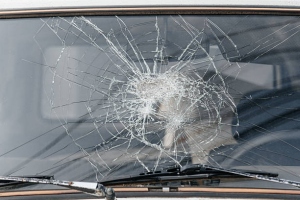
A vehicle’s windshield plays an essential role in both safety and structural support. Many drivers assume that a cracked windshield automatically requires full replacement, but that is not always the case. In many situations, professional technicians can restore the glass using specialized repair methods. Determining whether a repair is possible depends on several technical factors such as crack size, location, depth, and the condition of the surrounding glass.
Professional inspection helps ensure that the windshield continues to provide visibility, durability, and protection during driving. Timely repair also prevents minor damage from developing into larger structural problems. Understanding how experts evaluate windshield damage allows drivers to make informed decisions and maintain their vehicle’s safety.
Understanding the Importance of Timely Windshield Crack Repair
Addressing windshield damage quickly is essential for maintaining vehicle safety and preventing further structural issues. Even small cracks can gradually expand due to daily driving conditions.
How Cracks Affect Windshield Strength and Safety
Modern windshields are designed with laminated glass consisting of two glass layers bonded by a plastic interlayer. This structure helps maintain strength while allowing the windshield to absorb impacts. However, when a crack develops, the structural balance of the glass is disrupted.
A damaged windshield may no longer distribute impact forces evenly. Vibrations from driving, sudden braking, or road bumps can cause the crack to grow over time. Additionally, weakened glass can compromise the effectiveness of airbags and roof support in the event of a collision.
Professional technicians evaluate these structural factors before recommending repair or replacement. When damage is minor, specialized resin injections used in windshield crack repair can restore strength and prevent the crack from spreading further.
Why Early Repair Prevents Further Damage
Small cracks and chips rarely remain unchanged. Over time, environmental conditions can cause them to expand rapidly. Moisture, dirt, and temperature fluctuations can enter the damaged area and weaken the glass further.
Repairing damage early provides several advantages:
- Prevents crack expansion
- Restores structural integrity
- Improves windshield clarity
- Reduces long term repair costs
Professional repair methods seal the damaged area using transparent resin that bonds with the glass. Once cured, the repair strengthens the windshield and minimizes the visibility of the crack.
Common Causes of Windshield Cracks
Windshield cracks can occur for many different reasons. Understanding the most common causes helps drivers recognize potential risks and protect their vehicles.
Impact From Road Debris and Flying Stones
One of the most frequent causes of windshield damage is impact from road debris. Small stones or gravel can be thrown into the air by other vehicles and strike the windshield at high speed.
Highways and construction zones often increase the risk of debris impact. Even a small stone can create a chip that later develops into a long crack if not repaired quickly.
The force of impact determines the severity of the damage. While minor chips can often be repaired, deeper cracks may require more extensive service depending on their size and location.
Temperature Changes and Structural Stress
Temperature fluctuations also contribute to windshield cracking. Glass expands in warm temperatures and contracts in cold conditions. Rapid temperature shifts create stress within the windshield.
Situations that can trigger temperature related cracks include:
- Using hot defrosters on a cold windshield
- Parking in direct sunlight after exposure to cold weather
- Sudden seasonal temperature changes
These stress factors may cause small chips to spread across the glass surface. Over time, the crack can extend beyond repairable limits if not addressed early.
How Professionals Inspect Windshield Damage
Before recommending any service, technicians conduct a detailed inspection of the damaged area. This evaluation helps determine whether repair is possible or if replacement is the safer option.
Evaluating the Length and Depth of the Crack
Crack size is one of the most important factors in determining repair eligibility. Technicians measure both the length and the depth of the crack to understand how far the damage has penetrated the glass layers.
Most repairable cracks fall within specific size limits. If the crack is too long or extends deeply into the windshield layers, repair may not restore the necessary structural strength.
Technicians also examine the shape of the crack. Certain crack patterns respond well to resin injection techniques, while others spread unpredictably and may require replacement.
Checking the Location of Damage on the Windshield
The position of the crack plays a major role in repair decisions. Windshield damage located near the edges of the glass is more likely to spread because the edges experience higher structural stress.
Technicians also evaluate whether the crack falls within the driver’s direct line of sight. Even if the crack can technically be repaired, a repair mark in the primary visibility area may still interfere with safe driving.
In such cases, professionals may recommend windshield replacement to ensure clear visibility and maintain optimal safety standards.
When Windshield Crack Repair Is Possible
Not all windshield damage requires replacement. In many cases, professional repair can effectively restore the glass.
Types of Cracks That Can Be Safely Repaired
Certain crack types respond well to repair techniques. Technicians commonly repair damage that includes:
- Small star shaped cracks
- Minor bullseye cracks
- Short surface cracks
- Limited chips with minimal spreading
These types of damage typically remain confined to a small area of the windshield and can be sealed effectively using resin.
Repairable cracks must also be free from heavy contamination. Dirt or moisture inside the crack can interfere with the bonding process.
Repair Methods Used by Professional Technicians
Professional repair involves a specialized multi step process designed to restore the strength of the glass.
The repair process generally includes:
- Cleaning the damaged area
- Injecting clear resin into the crack
- Removing trapped air from the damaged section
- Curing the resin using ultraviolet light
- Polishing the surface to improve clarity
Once completed, the resin bonds with the glass and strengthens the damaged section. The repair also improves the appearance of the crack and reduces the likelihood of further spreading.
Professional technicians at Auto Glass 360 use advanced repair equipment designed to restore windshield strength while maintaining optical clarity.
Situations Where Windshield Replacement Is Recommended
While many cracks can be repaired, some types of damage require full windshield replacement to maintain safety.
Extensive or Spreading Cracks
Cracks that continue to expand across the windshield often exceed repair limits. When damage spreads across multiple areas of the glass, structural integrity may be significantly weakened.
Long cracks can also intersect with other damage points, creating complex fracture patterns that are difficult to repair effectively.
In these cases, replacing the windshield ensures that the vehicle maintains proper protection and visibility.
Damage in Critical Visibility Areas
Safety regulations emphasize the importance of clear driver visibility. Damage located in the driver’s direct field of view may distort light or create visual distractions.
Even if repair is technically possible, a visible repair mark can still affect clarity during driving conditions such as bright sunlight or nighttime headlights.
Professionals often recommend replacement in these situations to ensure the windshield provides unobstructed visibility.
When to Search for Windshield Repair Close to Me
Many drivers delay repairs because the damage initially appears minor. However, quick professional evaluation is always recommended.
Signs That Immediate Professional Help Is Needed
Drivers should consider professional inspection if they notice:
- A crack longer than a few inches
- Spreading damage across the glass surface
- Distortion affecting visibility
- Chips located near the windshield edge
- Multiple impact points on the glass
These warning signs indicate that the windshield may require prompt repair before the damage worsens.
Benefits of Choosing Experienced Windshield Fixers Near Me
Professional technicians have the tools and experience necessary to evaluate windshield damage accurately. Choosing experienced repair specialists provides several advantages.
Key benefits include:
- Accurate damage assessment
- Professional repair equipment
- High quality resin materials
- Safe installation standards
- Long lasting repair results
Experienced technicians also understand how different crack patterns behave and can recommend the safest solution for each situation.
Preventing Future Windshield Damage
While some windshield damage is unavoidable, several precautions can reduce the likelihood of cracks forming.
Safe Driving Practices to Reduce Impact Risk
Maintaining safe driving habits can help minimize exposure to road debris and potential windshield damage.
Helpful driving practices include:
- Keeping a safe distance from trucks carrying gravel or construction materials
- Avoiding driving directly behind vehicles on loose gravel roads
- Reducing speed in construction zones
- Remaining alert for road hazards
These precautions help reduce the chances of debris striking the windshield at high speed.
Regular Inspections and Early Repairs
Regular windshield inspections allow drivers to identify minor chips before they develop into large cracks. Small damage points can often be repaired quickly when addressed early.
Routine maintenance also helps ensure that the windshield remains structurally sound and capable of protecting passengers.
Drivers who schedule timely repairs can extend the lifespan of their windshield and reduce the likelihood of costly replacements in the future.
Conclusion
Windshield cracks may appear minor at first, but they can significantly affect vehicle safety if ignored. Professional technicians evaluate several important factors when deciding whether repair is possible. These include the size, depth, location, and pattern of the crack.
When damage remains within repairable limits, specialized resin techniques can restore the windshield’s strength and prevent the crack from spreading. However, more severe damage may require full replacement to ensure safe driving conditions.
Drivers who notice windshield damage should seek professional inspection as soon as possible to determine the most effective solution. If you need expert assistance, you can contact experienced technicians to assess your windshield and recommend the best repair or replacement option.
FAQs
1. How do professionals determine if a windshield crack can be repaired?
Technicians examine the length, depth, location, and type of crack. Small cracks that are not located in the driver’s direct line of sight and have not spread extensively are often suitable for repair.
2. What is the maximum size of a crack that can typically be repaired?
Repair limits vary depending on the crack pattern, but many professionals can repair cracks that are several inches long if the damage has not penetrated multiple glass layers.
3. How long does windshield crack repair usually take?
Most professional windshield repairs can be completed within 30 to 60 minutes. The exact time depends on the size and complexity of the crack.
4. Will a repaired windshield crack still be visible?
The repair process improves the appearance of the crack, but a faint mark may remain. The primary goal of the repair is to restore structural strength and prevent further spreading.
5. Is it safe to drive with a cracked windshield before repair?
Driving with a cracked windshield is not recommended because the damage may expand due to vibration, temperature changes, or road impact. Early repair helps maintain safety and prevents the crack from worsening.
