
The Complete Guide to Windshield Repair vs Replacement: What You Need to Know
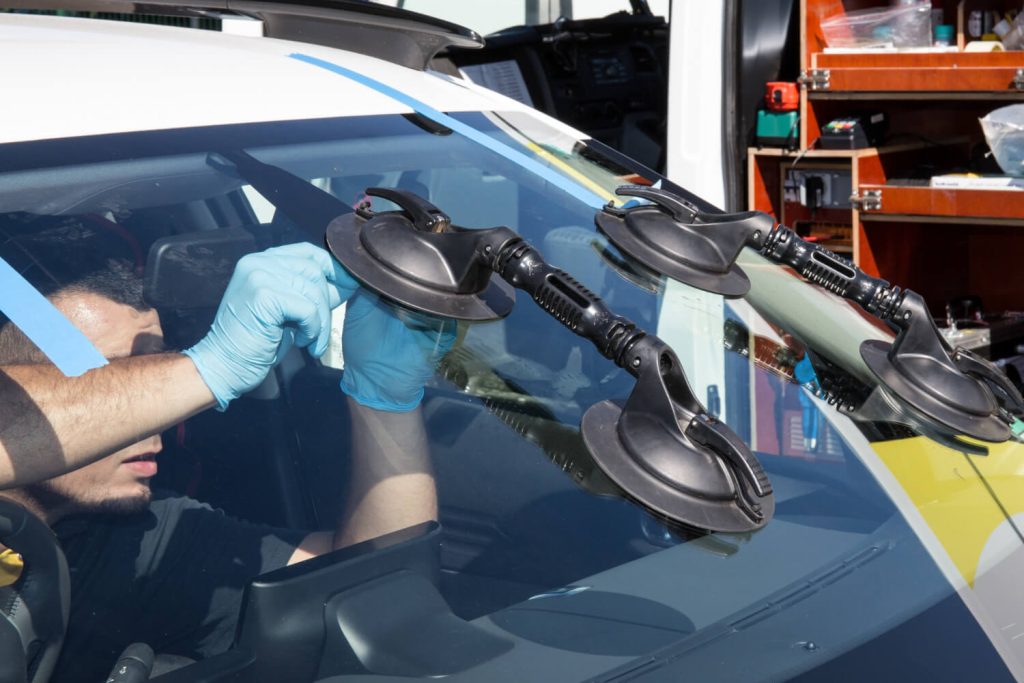
A tiny chip can turn into a big dilemma fast—windshield repair vs replacement. Make the wrong call, and you could waste time, overspend, or compromise your safety systems. Make the right call, and you’ll get back on the road quickly with your visibility, structure, and technology restored. As a trusted GTA specialist, Auto Glass 360 created this comprehensive guide to help you decide windshield repair vs replacement confidently, using clear criteria, real-world scenarios, and manufacturer-informed best practices.
Whether you drive a daily commuter, a family SUV, or a work truck, the differences between windshield repair vs replacement matter. This guide walks through how damage is assessed, when repairs are safe, when a full swap is essential, how ADAS (driver-assistance) features change the calculus, what insurers typically cover, and how we execute both services to OEM standards.
What “Windshield Repair vs Replacement” Actually Means
The core difference in one glance
- Repair: A precision process that stabilizes and restores small chips/cracks using clear, UV-cured resin.
- Replacement: Removing the old glass and bonding a new windshield with OE-grade adhesive, then restoring tech such as cameras via calibration.
In practice, windshield repair vs replacement turns on size, depth, location, and type of damage—as well as your vehicle’s technology and safety requirements.
Why the decision really matters
- Structural integrity in a crash or rollover
- Optical clarity in night rain, glare, and low-contrast scenarios
- Airbag performance (the glass is a backstop)
- Water and air sealing (noise, leaks, and corrosion)
- Driver-assistance performance after the work is complete
How Pros Assess Windshield Damage
The four fundamentals of windshield repair vs replacement
Size – Most chips up to a loonie, and cracks under ~6 inches, are often repairable. Longer or branching cracks typically push the decision toward replacement.
Location – Damage in the driver’s primary sight zone, at the glass edge, or interfering with cameras/sensors usually favors replacement.
Depth – Penetration beyond the outer layer of glass or into the PVB interlayer/inner lite makes repair less likely.
Type – Bullseye, star break, half-moon, or combination damage influence whether repair can restore strength and clarity.
Technicians combine these factors to recommend windshield repair vs replacement for the safest and most cost-effective outcome.
Safety & Compliance: What Canadian Rules Mean for You
Your decision isn’t just about convenience. For roadworthiness, your windshield must be safe, clear, and mounted correctly. Provincial inspections and federal safety frameworks establish the baseline your vehicle must meet.
Ontario’s inspection standards and safety materials reinforce that vehicles must be roadworthy; excessive windshield damage can cause failure or require corrective action before certification.
Canada’s Motor Vehicle Safety Regulations and related technical standards set the federal framework for vehicle safety and glazing materials—context for why correct materials and procedures matter during windshield repair vs replacement.
Translation for drivers: beyond aesthetics, unsafe glazing or poor installation can affect whether your car passes inspections and how it performs in a crash. That’s why choosing properly executed windshield repair vs replacement is non-negotiable.
When Repair Is the Right Choice
Typical green-light scenarios
- A chip no larger than a loonie, clean and recent
- A short, non-branching crack away from the edge and outside the driver’s critical sight zone
- Damage that hasn’t absorbed moisture/dirt and hasn’t splintered under temperature swings
What a high-quality repair accomplishes
- Stabilizes the damage so it won’t spread
- Restores clarity (expect a faint blemish under certain angles)
- Saves your original factory seal and trim
- Speeds your return to the road with minimal downtime
When conditions fit, repair wins the windshield repair vs replacement question for cost, convenience, and sustainability.
When Replacement Is the Only Safe Call
Red flags that tip the scale
- Cracks exceeding ~6 inches or radiating in multiple directions
- Edge cracks or damage near the frit band (black border)
- Penetration into the PVB interlayer/inner lite
- Damage that obstructs the driver’s primary sight zone
- Windshields supporting HUD/ADAS where optical exactness and camera brackets must be perfect
Here, replacement is the safer answer to windshield repair vs replacement, restoring structural strength, optics, and system alignment to factory intent.
The Role of ADAS: How Cameras Change Windshield Repair vs Replacement
Many late-model vehicles mount a forward camera to the windshield for lane-keeping, forward collision warning, and automatic emergency braking. Even a millimeter of misalignment can cause false alerts or missed hazards. Proper windshield repair vs replacement planning includes the right ADAS calibration steps after glass work.
Transport Canada’s education pages on driver-assistance stress understanding the capabilities and limits of these systems. Maintaining them correctly—including proper calibration after windshield work—is critical.
Calibration basics after replacement
- Static calibration with target boards in a controlled bay
- Dynamic calibration via a prescribed drive cycle on well-marked roads
- Dual calibration for models requiring both procedures
Your windshield repair vs replacement choice should always account for ADAS—if the camera is disturbed or optics change, calibration isn’t optional.
Cost, Time, and Insurance: Setting Realistic Expectations
Typical differences at a glance
- Repair: Generally lower cost; most appointments ~30–45 minutes; minimal disruption.
- Replacement: Higher parts and labor; plan ~2–3 hours including safe drive-away cure times and any calibration.
Insurance insights that affect windshield repair vs replacement
- Many comprehensive policies cover repairs in full and often with no premium impact.
- Replacements are typically covered, but may involve deductibles and mandatory calibration.
- Insurers usually approve the safest route when windshield repair vs replacement is borderline—documentation matters.
Auto Glass 360 works directly with your insurer, supplies calibration and installation reports, and ensures a smooth claims experience.
What Each Process Looks Like (Step by Step)
Repair: Precision stabilization and clarity
- Inspection of size, depth, location, and contamination
- Cleaning & drying the impact site
- Resin injection under vacuum/pressure to fill micro-fractures
- UV curing to bond and harden
- Polish & verify optics and stability
Replacement: Structural and technological restoration
- Protect & prep exterior trim and interior surfaces
- Safe removal of wipers, cowl, moldings, sensors, and the old windshield
- Pinch-weld prep (clean/prime, treat corrosion)
- Apply OE-grade urethane to specified bead height/shape
- Place new windshield with alignment jigs and spec pressures
- Reinstall sensors and brackets correctly
- Calibrate ADAS (as required), post-scan, and leak/wind-noise check
The better the process, the better the outcome—regardless of where windshield repair vs replacement lands for your damage.
12 Fast Rules for Making the Right Call
- Treat damage within 24–48 hours whenever possible.
- Keep the area dry and clean—avoid pressure washers and car washes.
- Don’t push on the chip; vibrations spread fractures.
- Avoid drastic temp swings (no blasting defrost directly on the chip).
- Photograph the damage for your records and insurance.
- Check for edge proximity—edges are higher risk for spreading.
- If ADAS camera is mounted to the glass, plan for calibration.
- If you see multiple branches or a long line, expect replacement.
- Choose shops that prime and protect the pinch-weld (rust prevention).
- Ask for written drive-away times for adhesives after replacement.
- Get a pre- and post-scan when ADAS is involved.
- Keep your documentation—critical for insurance and resale.
These shortcuts help you decide windshield repair vs replacement quickly and safely.
Weather, Roads, and How Damage Spreads
Why Canadian seasons influence the decision
- Winter contraction can turn a tiny chip into a running crack overnight.
- Summer expansion and direct sun intensify optical distortion and stress.
- Spring debris and construction fragments cause fresh impacts.
Understanding how cracks grow helps you time windshield repair vs replacement to minimize cost and risk.
Visibility, Optics, and Everyday Driving
Don’t underestimate optical clarity
Repairs may leave a faint blemish that’s usually a fair trade for preserving the factory seal. But in the driver’s primary sight zone, that blemish can be distracting; replacement may better serve safety and comfort. Your technician should explain how optics factor into windshield repair vs replacement for your specific damage pattern.
Materials and Parts Quality (OEM vs Aftermarket)
What really matters to the outcome
A correctly specified panel (with the right coatings, acoustic interlayer, tint band, camera bracket, and HUD compatibility) plus the right adhesive system and calibration procedures determines success. The smartest approach to windshield repair vs replacement is matching features, not just picking a logo.
Maintenance Tips to Avoid the Dilemma Next Time
- Replace wiper blades every 6–12 months.
- Keep the glass clean inside and out (esp. behind cameras).
- Leave safe following distances on gravel or construction routes.
- Park in shade when possible to reduce thermal stress.
- Address small chips early—beat the windshield repair vs replacement decision.
Why Choose Auto Glass 360
Auto Glass 360 helps you navigate windshield repair vs replacement without guesswork. Our process is built around safety, documentation, and convenience:
- Expert assessment to determine windshield repair vs replacement using OEM criteria
- Feature-matched parts sourcing (HUD, acoustic, solar/IR, frit, camera bracket)
- OE-grade adhesives, correct bead geometry, and corrosion control
- Static/dynamic ADAS calibration with pre/post scans and printed reports
- Mobile or in-shop service, clear pricing, and insurer coordination
- Workmanship guarantee on both repair and replacement outcomes
From the first call to final hand-off, we align your windshield repair vs replacement outcome with what your vehicle—and your life—actually need.
Canadian Government Resources (Educational)
- Ontario’s safety/inspection materials help motorists understand roadworthiness expectations and how glass condition affects certification—useful context when deciding windshield repair vs replacement.
- Transport Canada’s Motor Vehicle Safety Regulations and related technical standards are the foundation for compliant glazing and safe vehicles—another lens for evaluating proper windshield repair vs replacement work.
Make the Right Move—Safely and Confidently
Choosing windshield repair vs replacement is about doing what keeps you safest, fastest, and most cost-effectively. When repair qualifies, it preserves your factory seal and gets you moving quickly. When replacement is required, the right parts, adhesives, and calibration procedures return your vehicle to its intended safety envelope. Auto Glass 360 handles both with the same focus on structural integrity, optics, and technology—plus the documentation your insurer (and future you) will thank you for.
Ready for an expert assessment? Contact Auto Glass 360 today. We’ll evaluate your damage, explain your windshield repair vs replacement options in plain language, work with your insurer, and complete the job to manufacturer standards—so you can drive away with confidence.
Frequently Asked Questions:
1) How do I quickly decide windshield repair vs replacement on a fresh chip?
If the chip is about the size of a loonie, clean, and away from the edge and driver’s primary sight zone, repair often wins the windshield repair vs replacement choice. A technician still needs to confirm depth and type.
2) What crack length forces replacement in the windshield repair vs replacement decision?
While each automaker’s guidance varies, cracks over ~6 inches, branching cracks, or edge cracks typically tip windshield repair vs replacement toward replacement for safety and durability.
3) How does ADAS affect windshield repair vs replacement?
If your camera or sensors attach to the glass, replacement usually requires calibration. Even for repair, if optics near the camera are affected, we consider how that influences windshield repair vs replacement to keep features working properly.
4) Will insurance cover my choice in windshield repair vs replacement?
Many comprehensive policies fully cover repair and also cover replacement (sometimes with a deductible). Insurers generally support the safer windshield repair vs replacement option documented by a qualified shop.
5) Is a repaired spot obvious—and does that factor into windshield repair vs replacement?
Repairs can leave a faint blemish; most drivers find it unobtrusive. If the blemish would sit in your key sight zone, we may recommend replacement when weighing windshield repair vs replacement.
6) How long will I be off the road with windshield repair vs replacement?
Repairs are often done in 30–45 minutes. Replacement typically takes 2–3 hours including safe drive-away time and, if needed, calibration. This time difference is part of the windshield repair vs replacement decision.
7) What’s the biggest mistake people make with windshield repair vs replacement?
Waiting. Delays let chips collect moisture and spread into long cracks, turning an easy repair into a mandatory replacement. Early action simplifies windshield repair vs replacement every time.
