
Windshield Replacement : When Repair Is No Longer Safe
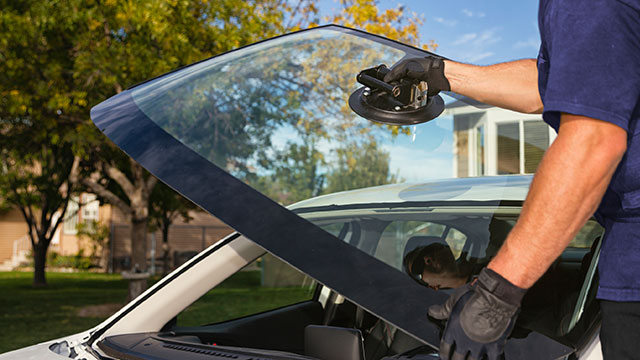
Windshield Replacement becomes necessary when auto glass damage compromises safety beyond acceptable repair limits. Windshield Replacement decisions are often delayed because early damage appears minor, yet structural risks increase as cracks expand and weaken glass integrity. Modern vehicles rely heavily on windshield strength for occupant protection, airbag deployment, and roof support. Knowing when repairs are no longer effective helps drivers avoid unsafe conditions and make informed decisions based on safety rather than convenience.
Understanding how windshield damage progresses is essential for determining the safest course of action. While windshield crack repair can restore strength in certain situations, there are clear scenarios where replacement is the only reliable option. These situations are defined by damage size, location, depth, and impact on structural performance.
The Structural Role of the Windshield
The windshield is a load bearing component of modern vehicles. It contributes to overall body rigidity and helps prevent roof collapse during rollovers. In frontal collisions, the windshield supports passenger side airbag deployment by providing resistance.
When the glass is cracked or weakened, these safety functions are compromised. Even damage that does not block visibility can still reduce structural strength. This is why safety assessments consider more than just what the driver can see.
Limits of Windshield Crack Repair
Not all damage can be safely repaired. Repair effectiveness depends on whether resin can fully bond with the damaged glass layers. Shallow chips may respond well to repair, but deeper fractures reduce bonding reliability.
Cracks that exceed a certain length or penetrate multiple layers of laminated glass often continue spreading despite repair. At this point, repairs may offer cosmetic improvement without restoring safety.
Why Crack Length Matters
Crack length is one of the most important indicators of repair viability. As cracks grow longer, internal stress increases across the glass surface.
Vehicle vibration, road conditions, and temperature fluctuations accelerate crack growth. Once a crack reaches structural stress zones, repair resin cannot stop further expansion.
Long cracks significantly reduce impact resistance and should be addressed through replacement rather than continued repair attempts.
Edge Damage and Stress Zones
Damage near the windshield edge poses a greater safety risk than central damage. The edges bear much of the structural load and are more susceptible to failure.
Cracks originating from or extending to the edge often spread rapidly. Even small edge chips can compromise the entire glass panel.
Professionals typically recommend replacement when damage affects these high stress areas.
Visibility Concerns and Optical Distortion
Damage in the driver viewing area may distort light and reduce visibility. Repairs can leave slight imperfections that affect glare, especially during night driving or direct sunlight.
Visual distortion can impact reaction time and driving confidence. Safety standards prioritize clear visibility alongside structural integrity.
When damage interferes with the driver line of sight, replacement is often required regardless of crack size.
Environmental Factors That Worsen Damage
Temperature extremes place stress on damaged glass. Cold weather causes contraction, while heat causes expansion. These cycles worsen existing cracks.
Defrosters, direct sunlight, and sudden temperature changes accelerate crack growth. Moisture intrusion also weakens repaired areas over time.
Urban driving environments with frequent vibration increase these risks further.
Why Repeated Repairs Are Not Recommended
Attempting multiple repairs on the same damaged area does not restore full strength. Each repair introduces resin layers that cannot replicate original glass properties.
Over time, repeated repairs may fail suddenly under stress. This creates unpredictable safety risks during normal driving or collisions.
Replacement restores uniform strength across the entire windshield surface.
Common Situations That Require Replacement
Certain damage conditions consistently exceed repair limits:
- Cracks longer than acceptable safety thresholds
- Damage extending into edge or stress zones
These situations compromise structural performance and increase failure risk.
How Professionals Evaluate Damage
Certified technicians use established safety criteria to assess damage. Inspections include measuring crack length, evaluating depth, and checking contamination.
Damage location relative to airbags and roof support areas is also considered. These evaluations ensure decisions prioritize occupant safety.
Drivers seeking guidance often consult windshield glass repair assessments to understand whether repair remains viable.
Replacement Process Overview
The replacement process involves removing the damaged glass and installing a new windshield using approved adhesives.
Proper surface preparation and adhesive curing are critical. The bond between the glass and vehicle frame must reach specified strength before driving.
Incorrect installation or insufficient curing compromises safety performance.
Benefits of Proper Replacement
Replacement restores full structural integrity and optical clarity. New glass eliminates distortion caused by cracks and repair marks.
Restored strength improves roof support and airbag performance. Replacement also reduces long term maintenance concerns.
Drivers experience improved visibility and consistent safety margins.
Temporary Fixes vs Long Term Safety
Temporary fixes such as sealants may slow crack growth but do not restore strength. These measures are not designed to withstand collision forces.
Relying on temporary solutions increases the risk of glass failure. Replacement ensures compliance with safety standards.
Understanding this distinction helps drivers avoid unsafe delays.
Factors Influencing Replacement Timing
Crack growth rate, driving frequency, and weather exposure affect urgency. Delaying action increases the likelihood of sudden crack expansion.
Seasonal changes often trigger rapid damage progression. Early intervention reduces risk.
Timely decisions prevent unexpected windshield failure.
Evaluation Steps Used by Technicians
Professionals typically follow this process:
- Measure damage size and penetration
- Assess location and stress exposure
- Determine whether repair restores safety
This ensures replacement decisions are evidence based.
Safety Standards and Regulations
Automotive glass safety standards define repair limits and replacement thresholds. These guidelines are designed to protect occupants.
Following established standards ensures vehicles maintain required safety performance.
Ignoring standards increases collision risk.
Long Term Impact on Vehicle Integrity
Replacement reduces recurring damage issues. It also preserves resale value by maintaining factory safety features.
Consistent structural integrity supports overall vehicle reliability.
Safety improvements extend beyond the windshield itself.
Addressing Common Misunderstandings
Some drivers assume replacement is only necessary when cracks block visibility. Structural concerns are often overlooked.
Others believe all cracks can be repaired regardless of size. Safety standards contradict this assumption.
Education improves decision making.
Recognizing Urgent Replacement Signs
Certain warning signs indicate immediate action is needed:
- Rapid crack growth after temperature changes
- Audible stress sounds from glass
These signs suggest imminent failure risk.
Conclusion
Understanding when repair is no longer safe is essential for maintaining vehicle safety. Structural integrity, visibility, and airbag performance all depend on windshield condition. Damage that exceeds repair limits cannot be reliably stabilized and increases collision risk. Professional evaluation, adherence to safety standards, and timely replacement restore strength and reliability. Making informed decisions based on safety rather than convenience helps protect occupants and ensures long term vehicle performance.
Frequently Asked Questions
When is replacement required instead of repair?
When damage exceeds safety limits or affects structural zones.
Can long cracks be safely repaired?
Long cracks typically cannot be stabilized reliably.
Is replacement safer than repeated repair?
Yes replacement restores uniform strength and safety.
Does edge damage require replacement?
Edge damage usually compromises structural integrity.
How long does installation take?
Installation time varies, but proper curing is essential.
