
When Can You Wash Your Car After A Windshield Replacement?
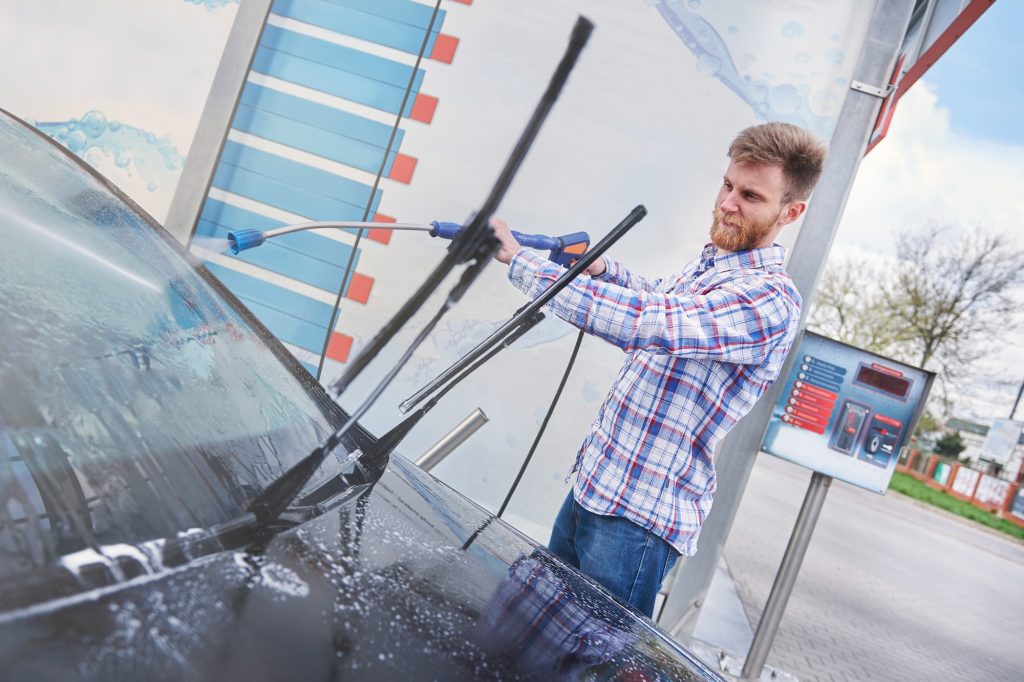
Getting a new windshield feels like a fresh start, until you look at the rest of the car and realize it still needs a wash. That is when most drivers ask the same question: when is it actually safe to wash the car after a windshield replacement? The short answer is that you should not rush it, because the adhesive that seals the windshield needs time to build strength. Washing too early can create problems like water leaks, wind noise, lifted trim, or a weakened bond that does not hold as securely over time. That is why windshield aftercare car wash timing matters just as much as the installation itself.
In the GTA, weather changes can make that timing even more important. Cold temperatures can slow curing, and humidity changes can affect how the bond stabilizes. If you want the safest approach, plan your windshield aftercare car wash steps in stages. Most drivers should avoid any car wash for at least 24 hours, avoid automatic washes and pressure washers for at least 48 hours, and stay extra cautious in winter conditions. Auto Glass 360 helps drivers with the full process, including Auto Glass Replacement, Auto Glass Repair, Mobile Windshield Repair, and ADAS Recalibration, plus clear aftercare guidance so you do not accidentally undo a great installation with an early wash.
Why You Need To Wait Before Washing After Replacement
A windshield is bonded to the vehicle using urethane adhesive. That adhesive does not instantly become fully strong the moment the glass is installed. It needs curing time to develop the right bond strength and to seal properly against wind and water. If you wash too soon, high pressure water can push into the perimeter area, or vibration from an automatic wash can stress the bond before it has stabilized. This is the main reason windshield aftercare car wash timing is a real safety and quality issue, not just a suggestion.
When the bond is still curing, small shifts can happen that you might not notice right away. You may only notice later when you hear a whistle at highway speed, see water spots inside after rainfall, or feel drafts around the edge. Waiting the correct amount of time protects the seal, prevents leakage, and keeps your windshield sitting exactly where it should. If you want your windshield aftercare car wash routine to be safe, the goal is simple: do nothing that could stress the edge bond until curing has progressed enough to handle water force and vibration.
Safe Drive Away Time Versus Wash Time
Many drivers confuse safe drive away time with wash readiness. Safe drive away time means the adhesive has reached a minimum strength level so normal driving is considered safe under typical conditions. Wash readiness is different because water pressure and mechanical vibration can target the windshield edges and stress the bond in ways regular driving does not. That is why windshield aftercare car wash timing usually requires a longer wait than simply driving home.
A technician may tell you the vehicle is safe to drive, but still advise you to wait 24 to 48 hours before washing. That advice is based on bond curing and seal protection, not convenience.
Why The Edges Are The Sensitive Zone
The edge perimeter is where the adhesive bead sits and where the seal is formed. That is also the area most likely to be stressed by pressure washers, automatic wash jets, or aggressive scrubbing. Even a gentle wash becomes risky if you aim water directly at the perimeter, especially early on. A smart windshield aftercare car wash plan focuses on protecting that perimeter until the bond is stable.
If you notice tape on the edges after installation, do not remove it early. It is often used to help keep trim in place while the bond stabilizes.
The Best Time Window For Windshield Aftercare Car Wash
For most drivers, the safest general guideline is to wait at least 24 hours before any exterior wash, and at least 48 hours before using an automatic wash or a pressure washer. This gives the adhesive time to strengthen enough to resist water jets and the vibration that comes with automated systems. If it is cold, wet, or extremely dry, waiting longer is often safer because curing may take more time. This approach makes windshield aftercare car wash timing simple: 24 hours minimum, 48 hours for anything high pressure or automated, and longer in harsh weather.
If you must clean the vehicle sooner, the safest option is to lightly clean the glass surface and avoid the edges. You can wipe the windshield with a microfiber cloth and a gentle glass cleaner, but do not push hard on the perimeter and do not flood the edges with water. A conservative approach prevents the most common problems that happen when windshield aftercare car wash happens too early.
A Simple Timeline You Can Follow
Here is a practical timeline that works for most vehicles and conditions. Use it as your baseline windshield aftercare car wash plan, then follow any technician instructions if they are more specific.
First 24 hours: No wash, no pressure washer, no automatic wash, avoid soaking the edges.
24 to 48 hours: Gentle hand wash can be acceptable if you keep water pressure low and avoid spraying the perimeter.
After 48 hours: Most drivers can return to normal washing, but pressure washers should still be kept away from the windshield edges.
This timeline is conservative on purpose because it protects the bond and keeps the seal strong.
What If It Rains During The Waiting Period
Rain is usually less aggressive than an automatic wash or a pressure washer, but it can still expose the edges to moisture. You do not need to panic if it rains. The bigger risk is direct high pressure water aimed at the perimeter. If you want to be extra careful, park in a garage or under cover for the first day. A thoughtful windshield aftercare car wash plan also includes avoiding unnecessary exposure to heavy water blasting during the first 48 hours.
If you notice leaks after rain, contact the installer immediately rather than trying to wash and “test” it yourself.
Hand Wash Versus Automatic Wash After Replacement
Hand washing is generally safer than an automatic wash because you control where the water goes and how much pressure is used. If you want to wash early, a gentle hand wash is the safest method as long as you avoid spraying directly at the windshield edges. Use a low-pressure hose setting, a soft wash mitt, and minimal agitation near the trim. This makes windshield aftercare car wash possible while still protecting the most sensitive areas.
Automatic washes are riskier during early curing because they combine water jets, vibration, and sometimes rotating brushes. Touchless washes can still use strong jets. Brush washes add the risk of physical pressure on trim and vibration against the glass. If you want your windshield aftercare car wash decision to be safe, avoid automated washes for at least 48 hours, and consider waiting 72 hours in cold weather.
Are Touchless Washes Safe?
Touchless does not always mean gentle. Many touchless systems use stronger water pressure and more aggressive detergents to compensate for the lack of brushes. Those high pressure jets can hit the windshield perimeter directly. If you are within the first two days, it is better to skip touchless washes and protect your windshield aftercare car wash timeline.
If you must use a touchless wash after the waiting period, choose lower intensity options when available and avoid aiming the vehicle so jets hit the windshield edges directly.
Why Brush Washes Are A Bigger Risk Early On
Brush washes add physical pressure, which can press on trim and create vibration at the edges. During curing, that movement can stress the bond. Even after 48 hours, it is still smart to choose a wash that is gentle and to avoid anything that forces heavy contact near the windshield perimeter. A careful windshield aftercare car wash routine reduces the chance of long-term leaks and wind noise.
Weather, Temperature, And GTA Driving Conditions
In Canada, weather is one of the biggest variables in windshield aftercare car wash timing. Cold slows curing, and rapid temperature changes can stress the glass and the bond. If your replacement was done during winter or a cold snap, waiting longer before washing is usually the safer choice. It is common for technicians to recommend more cautious aftercare during cold weather because the adhesive can take longer to reach full strength.
Summer creates different challenges. Heat can help curing progress, but it can also create rapid expansion. Washing a hot windshield with cold water can add stress, especially if the vehicle has been sitting in direct sunlight. The safest windshield aftercare car wash strategy in summer is to wait for the glass to cool and use moderate water temperature when possible, especially during the first two days.
Cold Weather Tips That Protect The Seal
If you want to protect the bond during winter, avoid slamming doors during the first day because cabin pressure changes can stress the windshield. Avoid blasting maximum heat on a freezing windshield immediately after startup. Keep defrost settings gradual. These steps do not replace proper repair, but they help reduce stress while curing continues.
A winter windshield aftercare car wash plan should also avoid automated washes for longer, because freezing water, strong jets, and vibration can combine to create seal problems.
Environmental Notes About Washing Outdoors
If you plan to wash at home, it is worth thinking about runoff. Some municipalities advise avoiding letting soapy water flow into storm drains and catch basins. The City of Toronto explains that no substances other than rain and melted snow can be poured or allowed to flow into an outdoor catch basin, and the guidance includes car washing runoff concerns. This is useful to keep in mind when planning your windshield aftercare car wash routine, because a commercial car wash may handle wastewater more responsibly.
If you do wash outdoors, use minimal soap, control runoff, and avoid washing where water flows into a catch basin.
Cleaning The Glass Safely Before The Waiting Period Is Over
Many drivers want to clean fingerprints, streaks, or dust right away. You can usually clean the glass surface gently, but the key is to avoid putting pressure on the perimeter and avoid soaking the edges. Use a microfiber cloth and a small amount of glass cleaner sprayed onto the cloth, not directly onto the edges. This helps keep the seal dry and stable while you wait for the best windshield aftercare car wash timing.
If you notice adhesive residue or trim that looks uneven, do not pick at it. That is a common mistake that can create gaps or lift trim. Instead, contact the installer. Auto Glass 360 can advise on what is normal, what needs adjustment, and whether a quick follow-up is required after Auto Glass Replacement.
What To Avoid On Day One
Avoid pressure washing, avoid automatic washes, avoid pulling on trim, and avoid heavy scrubbing around the edge of the glass. Also avoid using harsh chemicals near the perimeter. Gentle cleaning is fine, but any aggressive action can interfere with curing. This is why windshield aftercare car wash is best treated as a timed process rather than a quick cleaning task.
If you are worried the windshield looks slightly off, do not attempt to “fix” it. Let a professional inspect it.
Interior Cleaning Tips
Interior cleaning is usually safe if you are gentle. Do not press hard against the windshield from inside, especially near the edges. Wipe lightly and avoid dripping cleaner into the perimeter. A careful approach supports the same goal as a good windshield aftercare car wash plan: protect the bond while it stabilizes.
Windshield Aftercare Car Wash Checklist
If you want an easy way to remember what to do, use this checklist. It helps you protect the installation and reduces the chance of leaks, wind noise, or trim problems. A strong windshield aftercare car wash routine is mostly about what you avoid during the first two days.
Two common themes matter most: avoid high pressure water at the edges and avoid heavy vibration early. If you do those two things, you greatly reduce risk and keep the seal strong. Also keep in mind that detergents and cleaning solutions can cause oil to emulsify and may prevent separation in drainage systems, which is why Environment and Climate Change Canada guidance warns against washing with such products in areas that drain to sewers in certain contexts. That is another reason to choose responsible washing methods.
- Wait at least 24 hours before any wash
- Avoid automatic wash for at least 48 hours
- Avoid pressure washers for at least 48 hours, and never aim directly at the edges
- Do not remove tape early if tape was applied
- Do not pick at trim, moldings, or adhesive residue
- Avoid slamming doors during the first day if advised
- Use gentle microfiber cleaning for light surface dust only
- Confirm ADAS Recalibration requirements if your vehicle has cameras
- Choose a responsible wash method that prevents soap runoff into storm drains
How Auto Glass Services Tie Into Aftercare
Windshield aftercare car wash timing is easier when the right service is chosen in the first place. If the damage is small and repairable, Auto Glass Repair can prevent a full replacement and reduce downtime. Mobile Windshield Repair helps drivers act quickly so chips do not turn into spreading cracks. Auto Glass Replacement is the safest choice when damage exceeds repair limits, but aftercare becomes more important because curing and sealing steps must be protected.
Another important factor is ADAS Recalibration. If your vehicle has windshield-mounted cameras and sensors, calibration may be required after replacement so lane and collision systems work correctly. A good windshield aftercare car wash plan includes watching for warning lights and confirming that calibration has been handled when needed.
When ADAS Makes Timing More Important
If your vehicle uses camera-based safety systems, you want the windshield installed correctly and the camera alignment verified through ADAS Recalibration when required. Washing too early and disturbing trim or seals can create extra issues that complicate the overall safety outcome. That is why windshield aftercare car wash should be handled cautiously when your vehicle is equipped with advanced systems.
If you see any warning messages after replacement, do not ignore them. Contact the provider and confirm whether calibration is needed or completed.
What If You Notice Wind Noise Or A Leak
If you hear wind noise at highway speeds or see water intrusion after the waiting period, stop washing and contact the installer. Do not keep testing with water, because repeated soaking can worsen small seal issues. A professional can inspect the perimeter, confirm trim seating, and correct the issue before it becomes bigger.
Auto Glass 360 can guide you on next steps and help you protect the results of Auto Glass Replacement.
Why Choose Auto Glass 360
Auto Glass 360 supports drivers through the full windshield process, not just the installation. That includes helping you choose the right service, whether it is Auto Glass Repair for a repairable chip, Auto Glass Replacement for unsafe cracks, or Mobile Windshield Repair when you need fast service without risking extra driving. After service, they help you understand windshield aftercare car wash timing so you do not create leaks or wind noise by washing too soon.
Auto Glass 360 also supports ADAS Recalibration for vehicles that require it after a windshield replacement. That matters because modern windshield service is not only about the glass, it is also about ensuring safety systems remain accurate. If you want clear guidance, careful workmanship, and a service team that understands both aftercare and technology, Auto Glass 360 is built to deliver that.
The Safest Answer For Washing After Replacement
So when can you wash your car after a windshield replacement? The safest general answer is to wait at least 24 hours before any wash, and at least 48 hours before using an automatic wash or a pressure washer. In cold weather, waiting longer can be safer because curing may take more time. If you need to clean sooner, wipe gently and avoid the edges so you do not disturb the seal. Following these steps protects the bond and makes your windshield aftercare car wash routine safe and predictable.
If you have questions about your specific vehicle, the weather, or your schedule, contact Auto Glass 360 for guidance. Whether you need Auto Glass Replacement, Auto Glass Repair, Mobile Windshield Repair, or ADAS Recalibration, the right plan and the right aftercare steps help you keep a clear view, prevent leaks, and protect your investment for the long term.
Frequently Asked Questions
How soon can I do a windshield aftercare car wash with a hose?
Wait at least 24 hours, use low pressure, and avoid spraying the windshield edges directly.Can I use a touchless wash for windshield aftercare car wash within 48 hours?
It is better to wait, because touchless systems often use strong jets that can stress the seal early.Is an automatic wash safe for windshield aftercare car wash after 24 hours?
Most drivers should wait at least 48 hours before using automatic washes because vibration and water jets can target the perimeter.Does winter change windshield aftercare car wash timing?
Yes. Cold can slow curing, so waiting longer than 48 hours for automatic washes is often safer.Can I clean the windshield glass by hand before my windshield aftercare car wash window?
Yes, gently. Use microfiber and avoid pushing hard near the edges or soaking the perimeter.What if I hear wind noise after my windshield aftercare car wash?
Stop washing and contact your installer. Wind noise can indicate trim or seal issues that need inspection.Do I need to plan windshield aftercare car wash differently if my car has ADAS?
Be extra careful with aftercare, and confirm ADAS Recalibration when required after replacement so safety systems work correctly.
